






Matching products and services for Thai massage
Have you ever thought about trying a Thai massage but were afraid of the pain? You're not alone! Many people have concerns when it comes to this traditional form of massage. In this article, we'll uncover the truth about pain during Thai massage, what you can expect, and how to get the most out of your experience.
Brief Summary/TLDR
Thai massage can be painful in some cases, especially for those not accustomed to deep tissue massages. The pain is often described as "pleasant" and leads to long-term relaxation and pain relief. Open communication with the masseur and adjusting the intensity can help make the massage more enjoyable.
What is a Thai Massage?
Origin and History
Thai massage, also known as Nuad Phaen Boran, has its roots in traditional Thai medicine and has existed for over 2,500 years. It combines acupressure, Ayurvedic principles, and assisted yoga poses.
Techniques and Methods
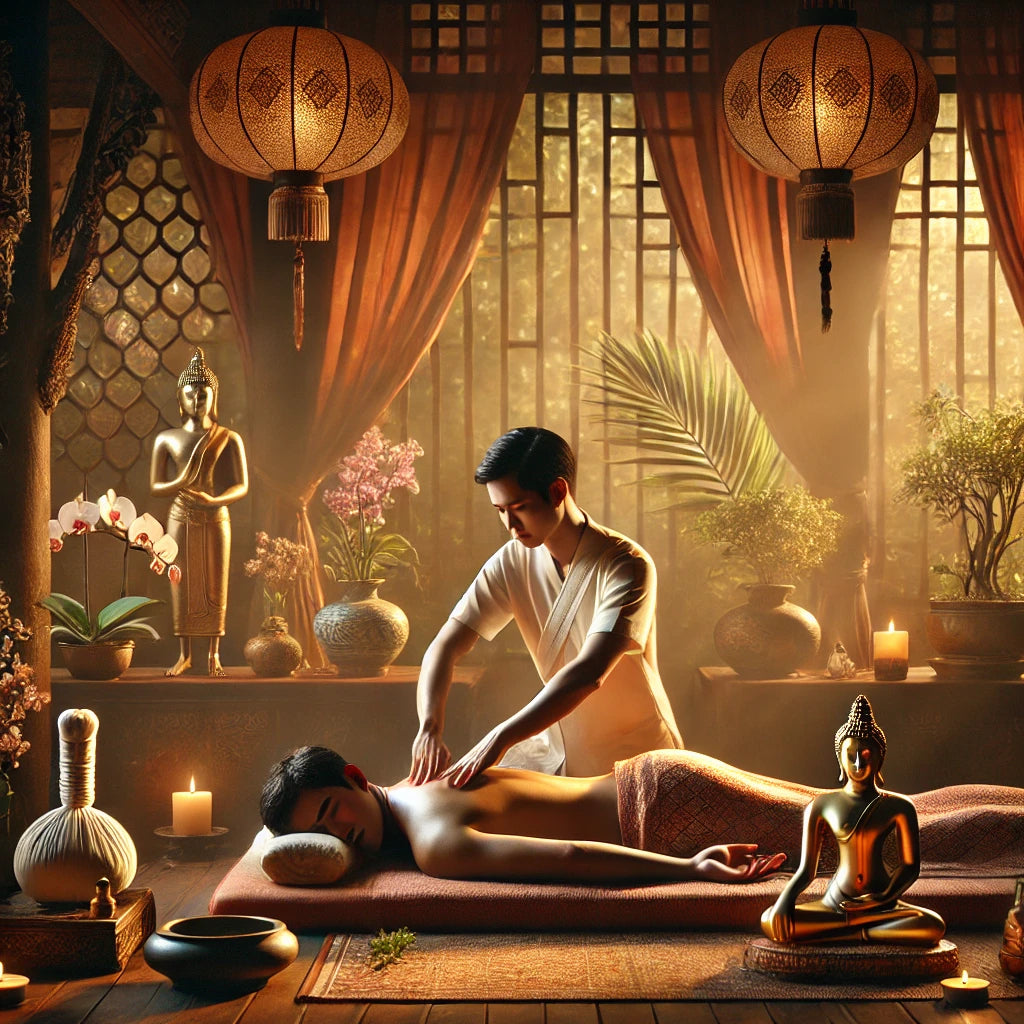
During a Thai massage, the entire body is stretched and pressed. The masseur uses hands, elbows, knees, and feet to apply pressure to specific points on the body. The goal is to harmonize the energy flow in the body.
How Painful is Thai Massage Really?
Expected Pain
The sensation of pain during a Thai massage varies from person to person. Some find the massage intense and painful, especially when they need to get used to certain pressure points.
Pleasant Pain
Many people describe the pain as "pleasant." It's a type of pain that enhances the feeling of liberation and relaxation after the session. This pain is often a sign that muscle tension and blockages are being released.
Matching products and services for Thai massage
Individual Pain Threshold
Everyone has a different pain threshold. What one person perceives as painful can be pleasant for another. It's important to give feedback to the masseur during the session to adjust the intensity.
How Can You Minimize the Pain?
Communication with the Masseur
Talk openly with your masseur about your pain sensations and limits. A good masseur will listen to your feedback and adjust the intensity of the massage accordingly.
Regular Massages
Regular Thai massages can help your body get used to the techniques, and the pain may decrease over time. Your body will become more flexible and less sensitive to pressure points.
Stretching and Preparation
Before the massage, you can do light stretching exercises to prepare your muscles for the upcoming treatment. Light stretching after the massage also helps relax the muscles and relieve pain.
Long-Term Benefits of Thai Massage
Pain Relief
Although Thai massage can be painful in the short term, many people report long-term pain relief, especially for chronic pain and muscle tension.
Improved Flexibility
The stretches and positions during the massage improve the body's flexibility and mobility. This can help prevent injuries and increase overall physical performance.
Stress Reduction
Thai massage promotes relaxation and reduces stress hormones in the body. Many people feel mentally refreshed and emotionally balanced after a session.
Who Should Be Cautious?
Pregnant Women
Pregnant women should be cautious and only seek out specialized Thai massage therapists who have experience massaging pregnant women.
People with Certain Health Conditions
Individuals with heart problems, skin conditions, or recent surgeries should consult their doctor before a Thai massage.
What techniques are used in Thai massage?
Thai massage is known for its unique techniques, which differ greatly from Western massage forms. It combines acupressure, gentle stretches, and assisted yoga poses to harmonize the energy flow in the body. A typical Thai massage often begins with gentle pressure on the muscles, followed by deep, slow movements performed with the palms, thumbs, elbows, and even knees. These techniques aim to release tension and improve flexibility. The masseur often uses their own body as a lever to reach deeper pressure points, which can sometimes be perceived as painful but ultimately leads to deep relaxation. The use of a NAIPO massage chair can support these techniques by offering targeted massage programs tailored to individual needs, thus ensuring optimal relaxation.
How does Thai massage differ from other types of massage?
Thai massage differs from other types of massage due to its holistic approach and the integration of stretching exercises. Unlike Western massages, which often focus on kneading and rubbing muscles, Thai massage places great emphasis on mobilizing joints and improving flexibility. It does not use oils and is typically performed on a firm mat on the floor, allowing the masseur to use their entire body to assist with movements. Another important aspect is the emphasis on the body's energy system, similar to acupuncture, where specific energy points are stimulated. NAIPO massage chairs offer a modern alternative by combining and adapting various massage types to provide a comprehensive and personalized massage experience.
What are the health benefits of Thai massage?
The health benefits of Thai massage are diverse, ranging from relieving muscle tension to improving overall health and well-being. By combining pressure point massage and stretching exercises, Thai massage can promote blood circulation, improve lymph flow, and eliminate toxins from the body. Many people report a significant reduction in chronic pain, especially in the back, neck, and shoulder areas. In addition, Thai massage can reduce stress, improve sleep quality, and strengthen the immune system. Scientific studies have shown that regular massages can increase the production of endorphins and serotonin, leading to a better mood and an increased sense of well-being. NAIPO massage chairs can support these benefits through their advanced features, offering targeted massage applications and thus enabling continuous and effective pain relief.
How can one prepare for a Thai massage?
Good preparation for a Thai massage can significantly enhance the experience and maximize its benefits. It is advisable not to eat heavy meals before the massage to avoid discomfort. Drink plenty of water to keep your body hydrated and support detoxification. Wear comfortable, loose clothing that allows for freedom of movement, as you will frequently assume different positions during the massage. It can also be helpful to do some light stretching exercises beforehand to warm up the muscles and increase flexibility. Open communication with the masseur about your pain points and expectations is also important to adjust the intensity of the massage. A NAIPO massage chair offers a convenient way to prepare for the massage by providing gentle pre-treatment that relaxes the muscles and prepares them for the upcoming session.
How long does a typical Thai massage session last?
The duration of a typical Thai massage session can vary depending on the individual needs and preferences of the client. Generally, a session lasts between 60 and 120 minutes. Shorter sessions of 30 minutes can focus on specific problem areas, while longer sessions allow for a more comprehensive full-body treatment. It is recommended to allow at least one hour for the first session to give the masseur enough time to work on all important areas of the body and achieve complete relaxation. For those who do not have time for regular spa massages, a NAIPO massage chair can be an excellent alternative. These chairs offer flexible session duration options and can be customized to personal needs, providing a convenient and effective way to regularly benefit from the advantages of a Thai massage.
Conclusion
Thai massage can be painful, but the pain is often a sign that your body is responding to the treatment. With proper communication and regular massages, you can fully reap the benefits of this traditional practice. Remember that every body is different, and your experience will be unique.
FAQs
1. Is Thai massage suitable for beginners?
Yes, but it's important to inform the masseur that you are a beginner so they can adjust the intensity accordingly.
2. How often should I get a Thai massage?
That depends on your personal goals and needs. For general relaxation, a monthly session may be sufficient. For chronic pain, more frequent sessions are recommended.
3. What should I avoid before a Thai massage?
Avoid heavy meals and alcohol before the massage. Drink plenty of water to keep your body hydrated.
4. Can Thai massage cause injuries?
Improper execution or pre-existing conditions can lead to injuries. Always choose a qualified and experienced masseur.
5. What should I do after a Thai massage?
Drink plenty of water to support detoxification and rest. Light stretching exercises can help relax muscles and relieve pain.
Do you want Shiatsu and acupressure at home anytime? The massage chair overview shows all NAIPO models in comparison.
Matching products and services for Thai massage
Frequently asked questions

Written by NAIPO Editorial Team · Massage & Product Experts from Hamburg
Product experts, service technicians, and massage enthusiasts at Alsterwell GmbH — specializing in massage technology for over a decade, with our own workshop and showrooms for test sitting.
Fact-checked by David Eberst · Co-founder of NAIPO




Leave a comment
This site is protected by hCaptcha and the hCaptcha Privacy Policy and Terms of Service apply.