





Matching products and services for Thai massage
A Thai full-body massage is like a journey to a faraway land – exotic, relaxing, and full of surprises. Have you ever wondered what exactly is behind this fascinating massage technique? In this article, we delve deep into the world of Thai full-body massage and discover what makes this traditional practice so special. Lean back, relax, and let's explore this wonderful art form together.
Summary/TLDR
Thai full-body massage is an ancient healing art that combines acupressure, stretching exercises, and meditation. This form of massage aims to harmonize the body's energy flow and enhance overall well-being. During a session, you will be massaged while lying on a mat on the floor, with the masseur using their entire body to stimulate pressure points and stretch the body. The massage typically lasts 60 to 120 minutes, leaving you with a feeling of deep relaxation and revitalization.
What is a Thai Full-Body Massage?
Origin and History
Thai massage, also known as "Nuad Phaen Boran," has its roots in India and is closely linked to Ayurvedic medicine and yoga. Developed by monks over 2,500 years ago, it is a blend of spiritual and physical exercises aimed at harmonizing body and mind.
Fundamentals of the Technique
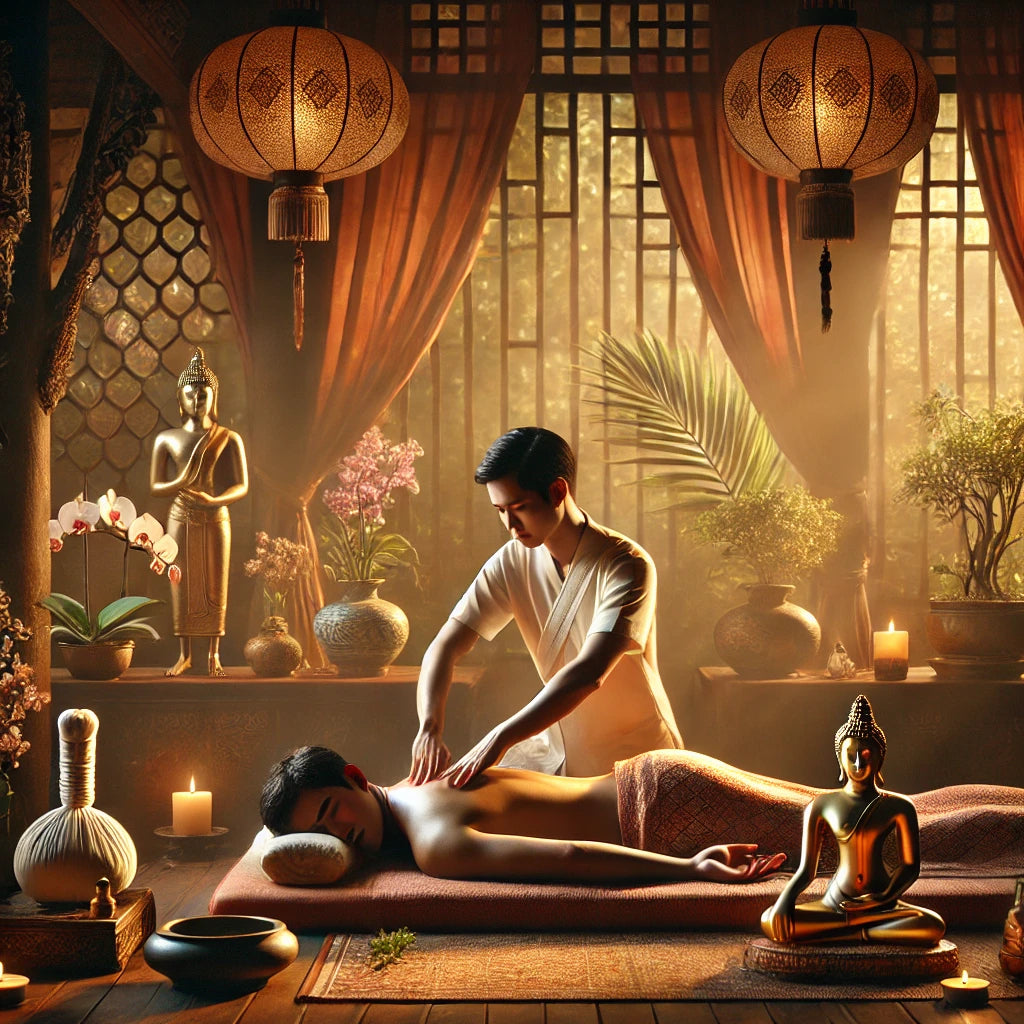
Unlike Western massage forms, which primarily use kneading and stroking, Thai full-body massage combines elements of acupressure, passive stretching, and meditation. The masseur uses not only their hands but also elbows, knees, and feet to apply pressure and perform stretches.
Preparation for Thai Full-Body Massage
Clothing and Environment
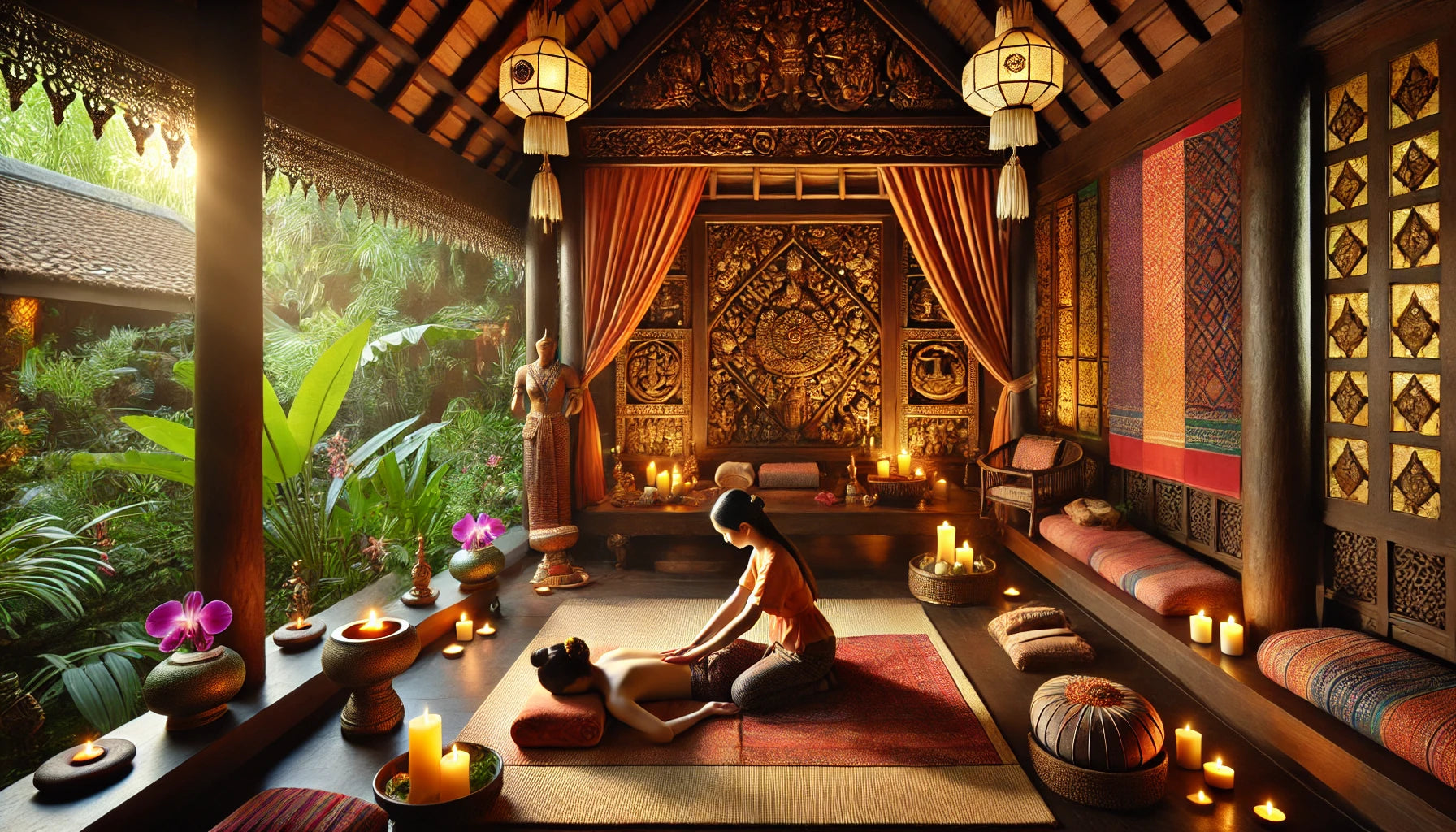
A Thai full-body massage is performed in comfortable clothing, as it involves many stretching exercises. The massage often takes place on a special mat on the floor, allowing the masseur to use their body efficiently.
Expectations Before the Session
Before the massage, it's helpful to know a few things: the massage can be intense and reach deep pressure points. It's important to provide feedback to the masseur during the session to adjust the pressure and stretch.
Matching products and services for Thai massage
The Course of a Thai Full-Body Massage
Greeting and Anamnesis
At the beginning of each session, there is a brief discussion where the masseur asks about your health concerns and specific needs. This helps them tailor the massage to you individually.
Starting in Supine Position
The massage often begins in the supine position, with the masseur working with gentle pressure points to activate energy flow. Various techniques are applied to release tension and promote blood circulation.
Stretching Exercises and Acupressure
During the massage, you will be guided through a series of stretching exercises reminiscent of yoga. These exercises help increase flexibility and release deep-seated tension. The masseur also uses acupressure to stimulate specific energy points in the body.
Work on the Legs and Feet
Special attention is given to the legs and feet, as many important energy points are located here. Through targeted pressure and stretches, tension is released, and vitality is increased.
Side Lying and Prone Position
In the side-lying and prone positions, the back and shoulders are intensely worked on. Here, the masseur's elbows and knees are often used to reach and relax deeper muscle layers.
Completion in Seated Position
The session often ends in a seated position, where the neck and shoulders are intensely massaged and stretched again. Finally, there is a short meditation to bring body and mind back into balance.
After the Thai Full-Body Massage
Effects and After-effects
After the massage, you will likely feel deeply relaxed and revitalized. It is possible to experience slight muscle soreness, especially if you are not accustomed to intense stretches.
Aftercare Tips
To prolong the positive effects of the massage, it is advisable to drink plenty of water to flush out released toxins from the body. A warm shower or bath can also help further relax the muscles.
1. What are the health benefits of a Thai full-body massage?
A Thai full-body massage offers a variety of health benefits that go far beyond mere relaxation. This traditional massage technique promotes blood circulation, which helps improve oxygen supply to cells and accelerates metabolism. Through the combination of acupressure and stretching exercises, tense muscles are loosened, and flexibility is increased, which is particularly beneficial for people with sedentary jobs or one-sided stresses in everyday life. In addition, the massage stimulates the lymphatic system, which supports the removal of toxins and waste products from the body and strengthens the immune system. Studies have shown that regular Thai massages can reduce stress hormones and increase overall well-being. For those seeking regular relaxation at home, a NAIPO massage chair could be an excellent addition to enjoy similar health benefits.
2. How best to prepare for a Thai full-body massage?
Proper preparation for a Thai full-body massage can significantly enhance the experience. It is advisable to wear light, comfortable clothing before the massage, as this form of massage involves many stretching exercises and requires flexibility. Before the session, one should avoid heavy meals for about two hours to prevent discomfort during the treatment. It is also important to be well-hydrated, as the massage can affect the body's fluid balance. A brief preliminary talk with the masseur helps discuss specific needs and any health concerns so that the treatment can be individually tailored. Some people also find it helpful to practice a short relaxation exercise or meditation before the massage to calm the mind and fully immerse themselves in the experience. Those who regularly seek relaxation might also consider using a NAIPO massage chair to prepare for the massage.
3. What techniques are used in a Thai full-body massage?
A Thai full-body massage combines various techniques that are unique and profound. The massage often begins with gentle pressure on specific acupressure points to activate the energy flow in the body. This is followed by rhythmic compressions and stretches that affect the entire body. The masseur uses not only hands but also elbows, knees, and feet to reach deeper pressure points and perform more intense stretches. These techniques are influenced by traditional healing methods and aim to improve flexibility and release muscle tension. Another important technique is passive stretching, where the masseur guides the client's body into various yoga positions to stretch the muscles and promote joint mobility. For people who want to regularly experience this deep relaxation, a NAIPO massage chair can be a good option to enjoy similar techniques comfortably at home.
4. How does Thai full-body massage differ from other massage techniques?
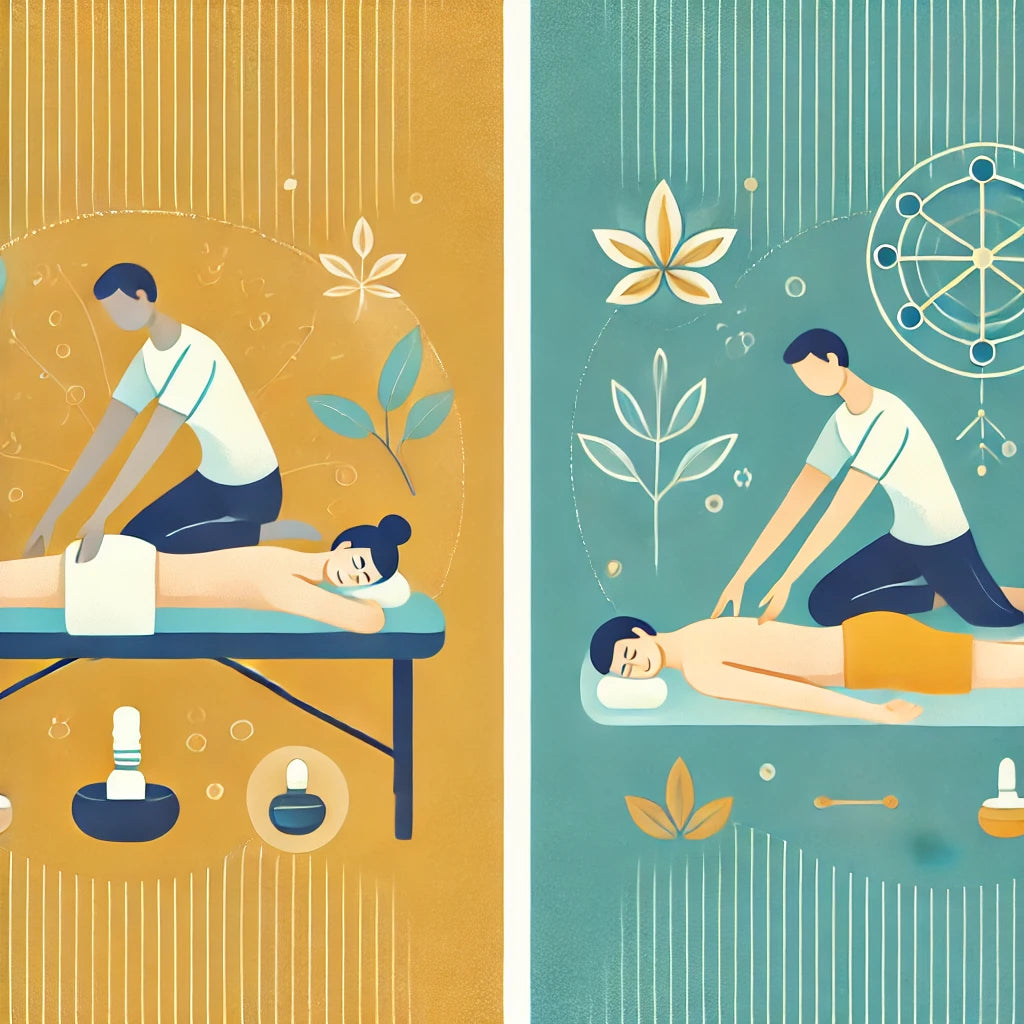
Thai full-body massage fundamentally differs from many Western massage techniques through its holistic approach and the integration of yoga movements. While Western massages often focus on kneading and stroking muscles, Thai massage encompasses a combination of acupressure, stretching, and energy work. These techniques aim to harmonize the body's energy flow and release blockages, leading to a deep sense of relaxation and revitalization. Furthermore, Thai massage is traditionally performed on a mat on the floor, which allows the masseur to use their entire body to apply pressure and move the client into various positions. In contrast, many Western massages are performed on an elevated massage table and tend to focus on local muscle groups. For those who appreciate the holistic approach of Thai massage and wish to enjoy it regularly, a NAIPO massage chair offers an excellent way to experience some of these techniques at home.
5. Is a Thai full-body massage suitable for all age groups?
A Thai full-body massage can generally be beneficial for people of all ages, but there are some important considerations that should be taken into account. Children and elderly people can benefit from the gentle stretches and improved circulation, but the intensity of the massage should be adapted to their individual needs and physical conditions. Pregnant women and people with certain health problems such as severe back injuries or cardiovascular diseases should definitely consult their doctor before the massage and inform the masseur about their health conditions. It is important that the massage is performed by a qualified and experienced therapist who is able to adapt the techniques accordingly. For individuals seeking a gentler, yet effective massage experience at home, a NAIPO massage chair could be an excellent alternative, as it offers various settings that can be adjusted to individual needs.
Conclusion
A Thai full-body massage is more than just a treatment – it is a journey to oneself, a way to harmonize body and mind, and to experience profound relaxation. If you are looking for a massage that considers both physical and spiritual aspects, then Thai full-body massage is exactly what you need.
FAQs
1. Is a Thai full-body massage painful?
Sometimes the massage can be a little uncomfortable, especially with deep tension. It is important that you give feedback to the masseur during the session to adjust the pressure.
2. How often should one get a Thai full-body massage?
That depends on your personal needs. Many people find a monthly session ideal, while others go more frequently to address specific problems.
3. Can everyone get a Thai full-body massage?
Generally yes, but people with certain health problems such as severe back injuries or cardiovascular diseases should consult their doctor beforehand.
4. What should one avoid before a Thai full-body massage?
It is advisable not to eat heavy meals before the massage and to avoid alcohol to ensure the best possible experience.
5. What distinguishes Thai full-body massage from other types of massage?
The combination of acupressure, stretching exercises, and meditation makes Thai full-body massage unique. It aims not only to relax the body but also to calm the mind and harmonize energy flow.
Some techniques of Thai massage, especially Shiatsu and acupressure, are also mastered by modern massage chairs. The Shiatsu guide provides an introduction.
Matching products and services for Thai massage
Frequently asked questions

Written by NAIPO Editorial Team · Massage & Product Experts from Hamburg
Product experts, service technicians, and massage enthusiasts at Alsterwell GmbH — specializing in massage technology for over a decade, with our own workshop and showrooms for test sitting.
Fact-checked by David Eberst · Co-founder of NAIPO



Leave a comment
This site is protected by hCaptcha and the hCaptcha Privacy Policy and Terms of Service apply.