


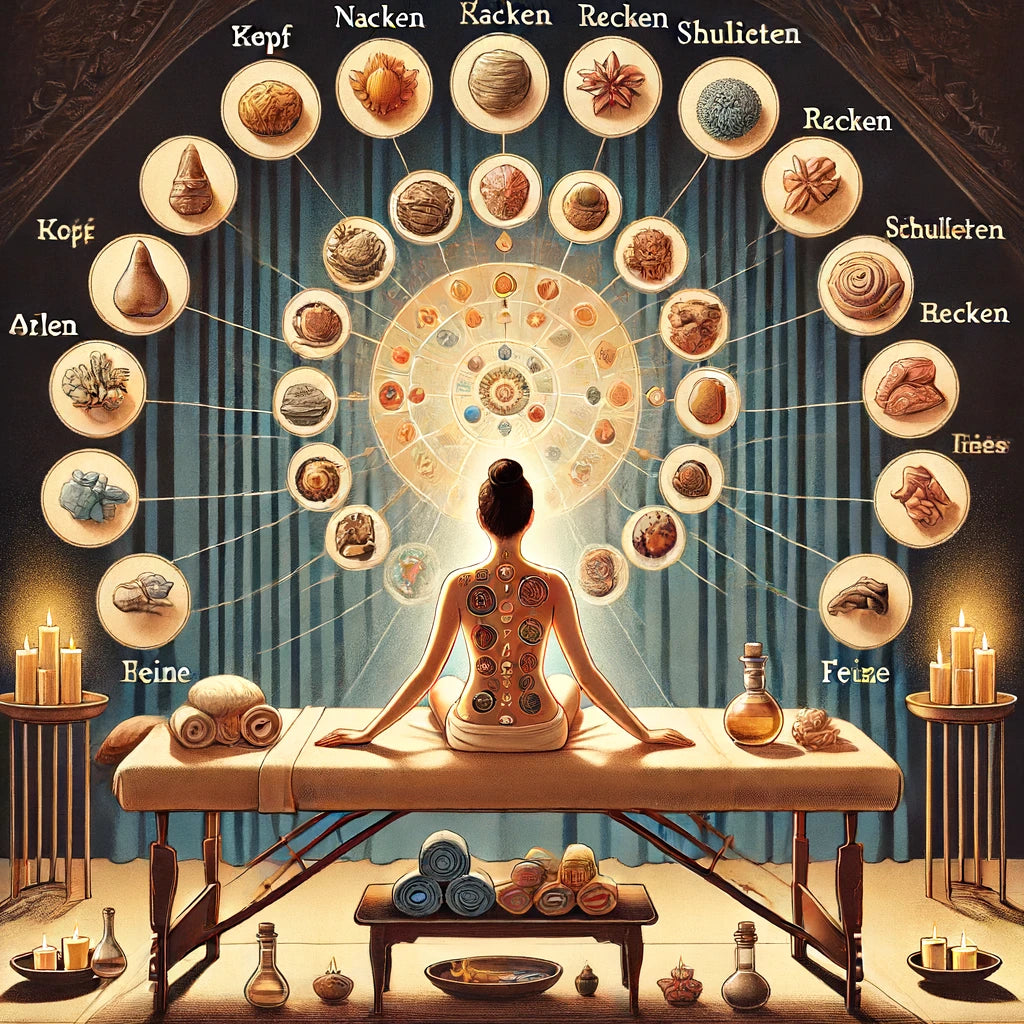



Have you ever wondered which type of massage pampers your whole body from head to toe? If so, you’ve come to the right place! In this article, we’ll take a closer look at different types of massage and find out which one really does massage ‘everything’. Let yourself be surprised and find out which massage offers you the ultimate relaxation.
Show table of contents
Summary/TLDR
In this article, you’ll find out which types of massage work on your entire body and what benefits they offer. From the classic full-body massage to the Ayurvedic Abhyanga massage and Thai massage – we’ll introduce you to the best massages that provide a comprehensive treatment. Read on to find out which massage is best suited to you.
The classic full-body massage
What is a classic full-body massage?
The classic full-body massage is arguably the best-known form of massage. It usually covers all the major muscle groups of the body, from the feet and back to the shoulders and neck.
Benefits of a full-body massage
- Relaxation : This type of massage helps to relieve stress and relax both body and mind.
- Improved circulation : Targeted massage techniques improve blood circulation, which in turn helps supply the muscles with nutrients and oxygen.
- Pain relief : Muscle tension and pain can be effectively relieved by a full-body massage.
The Ayurvedic Abhyanga massage
What is the Abhyanga massage?
The Abhyanga massage is a traditional Ayurvedic massage in which the entire body is massaged with warm, healing oil. It is regarded as one of the most comprehensive and holistic forms of massage.
Benefits of Abhyanga massage
- Detoxification : The warm oil penetrates deep into the skin and helps to remove toxins from the body.
- Rejuvenation : The massage promotes skin regeneration and gives it a youthful appearance.
- Holistic healing : It has a healing effect not only on a physical level, but also on a mental and emotional level.
Thai massage
What is Thai massage?
Thai massage, also known as ‘yoga for the lazy’, combines acupressure, stretching and meditation techniques. The therapist uses their hands, elbows, knees and feet to treat the whole body.
Benefits of Thai massage
- Increased flexibility : The intensive stretching exercises increase the flexibility of the muscles and joints.
- Energy flow : It promotes the flow of energy throughout the body and can release blockages.
- Full-body relaxation : The combination of pressure and stretching induces deep relaxation.
Hot stone massage
What is a hot stone massage?
In a hot stone massage, smooth, heated stones are placed on specific points of the body. In addition, the muscles are massaged with the hot stones to release deep-seated tension.
Benefits of the hot stone massage
- Deep relaxation : The heat from the stones penetrates deep into the muscles and promotes relaxation.
- Pain relief : This form of massage can be particularly effective for chronic pain.
- Stress reduction : The combination of heat and massage techniques helps to relieve stress.
The Lomi Lomi Nui Massage
What is the Lomi Lomi Nui massage?
This Hawaiian form of massage is known for its flowing, rhythmic movements that envelop the entire body. It is often described as a dance on the body and utilises the forearms, hands and elbows.
Benefits of the Lomi Lomi Nui massage
- Whole-body harmony : It promotes a sense of wholeness and harmony within the body.
- Emotional healing : This massage can release emotional blockages and create a deep sense of inner calm.
- Rejuvenation : The massage revitalises the skin, leaving it glowing.
1. What are the benefits of a full-body massage compared to a partial-body massage?
Introduction
Full-body and partial-body massages are two of the most common types of massage on offer, but which is the better choice for you? In this article, we’ll explore the benefits of a full-body massage compared to a partial-body massage and help you decide which type of massage best suits your needs.
The full-body massage: An overview
A full-body massage involves treating all the major muscle groups from head to toe. It is often described as a complete relaxation experience that offers both physical and mental benefits. This type of massage can incorporate various techniques, including classic massage, deep-tissue massage and other specialised methods.
Benefits of a full-body massage
1. Holistic relaxation: A full-body massage promotes total relaxation as it addresses all muscle groups. The even distribution of massage strokes achieves comprehensive relaxation of the entire body, which is particularly helpful for relieving stress and tension.
2. Improved blood circulation: Stimulating all areas of the body promotes blood circulation, leading to a better supply of oxygen and nutrients to the muscles. This can speed up the healing of injuries and improve general health.
3. Relief from pain and tension: By working on all muscle groups, deep-seated tension and chronic pain can be effectively relieved. This is particularly beneficial for people suffering from general muscular discomfort.
4. Improved skin health: The use of massage oils in a full-body massage can moisturise the skin and improve its texture. The massage also stimulates lymphatic drainage, which helps to detoxify the body.
Comparison with partial-body massage
Targeted treatment: Partial-body massages focus on specific problem areas such as the neck, back or legs. This can be particularly useful if you have specific complaints that require rapid relief.
Shorter duration: Partial-body massages are usually shorter and can therefore be more easily fitted into a busy schedule. They are a good option if you are short on time but still want to enjoy the benefits of a massage.
Better value for money: As they take less time, partial-body massages are often cheaper than full-body massages. This can be a decisive factor if you’re on a tight budget.
Conclusion
Both types of massage have their specific advantages. If you’re looking for comprehensive relaxation and treatment of the whole body, a full-body massage is the ideal choice. Partial-body massages, on the other hand, are perfect if you need targeted relief for specific problem areas. NAIPO massage chairs and the NAIPO Relax Lounge offer a cost-effective alternative to traditional massage, allowing you to enjoy both types of treatment in the comfort of your own home.
2. How does the technique of a full-body massage differ from other types of massage?
Introduction
The technique of a full-body massage differs significantly from other types of massage. In this article, we will examine the specific techniques and methods of full-body massage in comparison to other common forms of massage and highlight what makes this type of massage so special.
Full-body massage techniques
1. Classic massage techniques: Full-body massage uses classic massage techniques such as kneading, stroking and tapping to loosen the muscles and promote blood circulation. These techniques are designed to relax and revitalise the entire body’s musculature.
2. Deep-tissue massage: A popular technique within full-body massage is deep-tissue massage. This involves applying more intense pressure to release deep-seated muscle tension and improve blood circulation in the deeper layers of tissue.
3. Combination of techniques: A full-body massage can combine elements from various types of massage to provide a bespoke treatment. These include techniques from Swedish massage, Shiatsu massage and reflexology.
Differences from other types of massage
Specialised massages: Unlike a full-body massage, specialised massages such as sports massage or pregnancy massage focus on specific needs and problem areas. These massages often use specific techniques optimised for the respective target group.
Localised massages: Partial-body massages, such as neck or back massages, focus exclusively on specific areas of the body. The techniques used here are often more intense and targeted to alleviate specific ailments.
Energy work: Techniques such as Reiki massage or Thai massage often incorporate elements of energy work. These massages aim to harmonise the flow of energy within the body and open blocked energy channels.
Conclusion
The full-body massage is characterised by its comprehensive treatment of all muscle groups and the combination of various techniques. This distinguishes it from other types of massage, which either target specific problems or employ specialised techniques. A full-body massage is ideal for holistic relaxation and revitalisation of the body. NAIPO massage chairs and the NAIPO Relax Lounge offer a great way to experience these diverse techniques affordably and in the comfort of your own home.
3. Which massages are best suited to relieving muscle tension throughout the body?
Introduction
Muscle tension can significantly affect your daily life. In this article, we highlight the best massages for relieving tension throughout the body and show how you can achieve long-term relaxation and freedom from pain through targeted massage techniques.
The classic full-body massage
Benefits: The classic full-body massage is ideal for relieving general muscle tension. By combining kneading, stroking and pressure techniques, all muscle groups are treated, leading to comprehensive relaxation.
Deep-tissue massage
Technique: This type of massage goes deeper than the classic massage and focuses on the deep layers of muscle tissue. Deep-seated tension is effectively relieved using slow, firm pressure and specific manoeuvres.
Application: Particularly suitable for people with chronic pain and persistent muscle tension. It is more intense and may be painful at first, but the long-term benefits are significant.
Trigger point massage
Technique: This method involves applying targeted pressure to specific points in the muscle tissue, known as trigger points. These points are often the cause of pain and tension in other areas of the body.
Benefits: By treating the trigger points, tension can be released and pain cycles broken. This leads to a significant reduction in muscle discomfort.
Thai massage
Technique: Thai massage combines stretching techniques and acupressure. The therapist uses their hands, elbows, knees and feet to apply pressure to specific points on the body whilst simultaneously stretching the body.
Benefits: It improves flexibility and relieves tension through a deep, holistic treatment. This method is particularly effective for chronic tension and stiff muscles.
Hot Stone Massage
Technique: Heated stones are placed on the body and used for massage. The heat penetrates deep into the muscles, promoting blood circulation and relaxation.
Benefits: The combination of heat and massage techniques can relieve particularly stubborn tension and provides deep relaxation.
Conclusion
There are several effective massage techniques for relieving muscle tension throughout the body. The classic full-body massage, deep-tissue massage, trigger point massage, Thai massage and hot stone massage are all excellent options. Each technique offers specific benefits and can be tailored to your individual needs. The NAIPO massage chairs and the NAIPO Relax Lounge offer a cost-effective and convenient alternative to professional massage, helping you to relieve tension in your everyday life.
4. What role does the use of oils play in a full-body massage?
Introduction
Oils are an integral part of many massages and offer a range of benefits. In this article, you’ll learn about the role oils play in full-body massage and how they can enhance the effects of the massage.
Types of massage oils
1. Carrier oils: Carrier oils such as almond oil, jojoba oil and grapeseed oil are commonly used. They are light, well-tolerated and are quickly absorbed by the skin.
2. Essential oils: Essential oils such as lavender, peppermint and eucalyptus are often added to carrier oils to provide additional therapeutic effects. They offer aromatherapy benefits and can promote relaxation and healing.
Benefits of using oils
1. Improved glide: Oils reduce friction between the massage therapist’s hands and the client’s skin. This allows for gentler, more fluid movements and prevents skin irritation.
2. Skin care: Massage oils moisturise and nourish the skin. This can improve skin texture, prevent dryness and keep the skin supple.
3. Aromatherapy: The addition of essential oils can enhance the massage through aromatherapy. Lavender oil, for example, can have a calming effect, whilst peppermint oil invigorates and refreshes the senses.
4. Anti-inflammatory properties: Some oils, such as arnica oil and St John’s wort oil, have anti-inflammatory properties that can help to reduce pain and swelling.
Use of oils in a full-body massage
Preparation: The massage therapist often warms the oil slightly to ensure it feels pleasant on the skin. The oil is then applied to the skin and spread evenly.
Techniques: The oils allow the massage therapist to glide over the skin with gentle, flowing movements. This is particularly important for techniques such as stroking and kneading.
Conclusion
The use of oils in full-body massage plays a crucial role in the effectiveness and sense of well-being during the massage. They improve glide, nourish the skin and offer additional therapeutic benefits through aromatherapy and anti-inflammatory properties. NAIPO massage chairs and the NAIPO Relax Lounge also offer the option of using oils to make the massage experience at home even more enjoyable.
5. How long does a typical full-body massage last, and what can I expect during the session?
Introduction
The duration and procedure of a full-body massage are important aspects you should be aware of before booking such a treatment. In this article, you’ll find out how long a typical full-body massage lasts and what you can expect during the session.
Duration of a typical full-body massage
Standard duration: A typical full-body massage usually lasts between 60 and 90 minutes. This timeframe allows the massage therapist to thoroughly treat all major muscle groups and ensure complete relaxation.
Extended sessions: In some cases, a full-body massage may last 120 minutes or longer, particularly if specialised techniques are used or additional relaxation phases are included.
How the session proceeds
1. Welcome and preparation: At the start of the session, the massage therapist will have a brief chat with you to discuss your needs and any health concerns you may have. You will then be asked to lie down on the massage table and relax.
2. Introduction: The session often begins with gentle strokes to prepare you for the massage and create a relaxing atmosphere. The massage therapist may use a warm towel or aromatherapy to promote relaxation.
3. Main part of the massage: The massage therapist will systematically work on all the major muscle groups. This usually includes the back, shoulders, arms, legs, feet and neck. Various techniques such as kneading, stroking and tapping are used to release tension and improve blood circulation.
4. Specific treatments: Depending on your individual needs, the massage therapist may focus on particular problem areas, such as tense shoulders or aching legs. This is achieved through targeted techniques such as deep-tissue massage or trigger point therapy.
5. Conclusion and rest period: At the end of the massage, a rest period is often included, during which you can allow the relaxation to take effect. The massage therapist may show you some gentle stretching exercises or give you recommendations for at home to prolong the effects of the massage.
What to expect during the session
Comfort and privacy: Throughout the session, care is taken to ensure that you feel comfortable and safe. Your privacy is respected, and only the areas of the body being treated are uncovered.
Communication: It is important to communicate with the massage therapist during the massage. If you feel any pain or discomfort, you should let them know straight away so that the pressure or technique can be adjusted.
Relaxation: Use this time to relax completely. Close your eyes, take deep breaths and leave the stresses of everyday life behind you.
Conclusion
A typical full-body massage lasts between 60 and 90 minutes and provides a comprehensive treatment of all major muscle groups. The session is designed to ensure maximum relaxation and well-being. If you are unable to incorporate a professional massage into your daily routine on a regular basis, NAIPO massage chairs and the NAIPO Relax Lounge offer an excellent and cost-effective alternative for use at home, allowing you to benefit regularly from the advantages of a full-body massage.
The term ‘full-body massage’ as a collective term – what it entails, which areas are treated and which are omitted – is summarised in the guide Full-Body Massage: Procedure, Duration, Costs and Effects.
Conclusion
There are many different types of massage that work on the whole body and provide deep relaxation. Whether you opt for the classic full-body massage, the Ayurvedic Abhyanga massage, Thai massage, hot stone massage or the Lomi Lomi Nui massage – each has its own unique benefits. Try out different massages and find out which one suits you best and offers your body and mind the greatest relaxation. The guide Types of Massage at a Glance compares further types of massage. If you’d like to try a full-body massage at a salon, you can find local massage offers on Groupon (advertisement).
FAQs
1. How often should I have a full-body massage?
It depends on your personal needs, but many experts recommend enjoying a full-body massage at least once a month to achieve the best results.
2. Can I have a full-body massage if I have health issues?
It’s always advisable to speak to your doctor first, especially if you have any health issues. Some types of massage can be helpful for certain conditions, whilst others should be avoided.
3. Which massage is best for stress relief?
The classic full-body massage and the Abhyanga massage are particularly well suited to relieving stress and promoting deep relaxation.
4. Can I combine different types of massage?
Yes, many massage therapists offer combination massages that incorporate elements of different techniques. This can be particularly effective for addressing various needs at the same time.
5. What should I bear in mind before a massage?
Make sure you’re well hydrated and avoid heavy meals immediately before the massage. Tell the massage therapist about any health issues or pain you may have so that the massage can be adapted accordingly.
Many of the techniques covered in our guide to massage are also available in massage chairs: kneading, tapping and Shiatsu – all at the touch of a button, in the comfort of your own home. To find out whether a massage chair can replace a professional massage, see our guide Can a massage chair replace a massage?.
Frequently asked questions

Written by NAIPO Editorial Team · Massage & Product Experts from Hamburg
Product experts, service technicians, and massage enthusiasts at Alsterwell GmbH — specializing in massage technology for over a decade, with our own workshop and showrooms for test sitting.
Fact-checked by David Eberst · Co-founder of NAIPO




Leave a comment
This site is protected by hCaptcha and the hCaptcha Privacy Policy and Terms of Service apply.