Have you ever wondered exactly which parts of the body are massaged during a full-body massage – and, perhaps more importantly, which aren’t? Most of us think of a full-body massage as pure relaxation and a treat for every muscle in the body. However, there are actually areas that are deliberately left out. In this article, we’ll take an in-depth look at this topic to clear up any misunderstandings and give you a better understanding of this popular wellness therapy approach.
Summary of the article
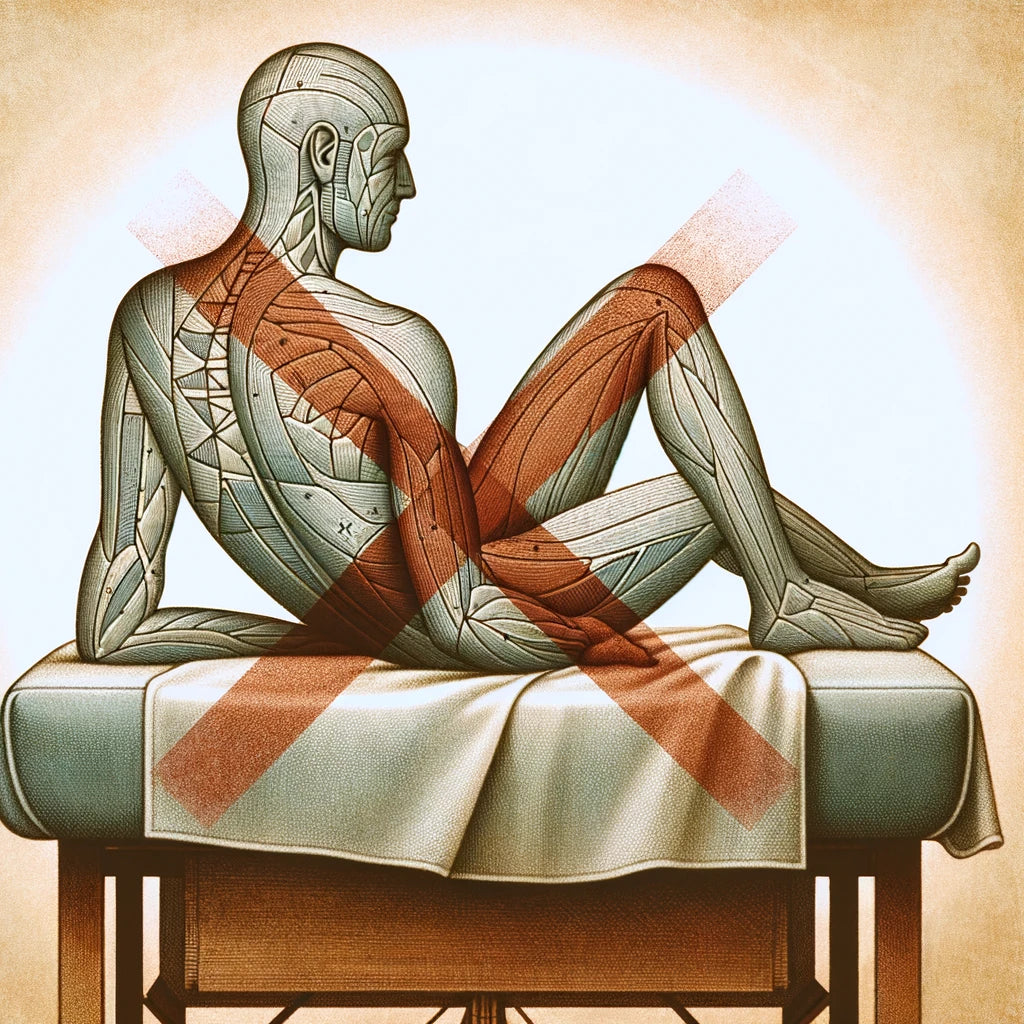
A full-body massage usually covers most of the body, but certain areas such as the face, genitals, breasts (in women) and areas of injury or pain are avoided. This practice is in the interests of comfort, safety and the ethical guidelines of massage.
What areas are not massaged during a full-body massage?
1. Genital area
Why the genital area is excluded
One of the most fundamental principles of a professional full-body massage is the exclusion of the genital area. This exclusion is a matter of both comfort and ethics. A professional massage therapist will never touch this area to ensure that the massage remains purely therapeutic and to avoid any misunderstandings.
Safety and ethical guidelines
Massage practitioners follow strict safety and ethical guidelines which prohibit any contact with the genital area. This serves not only to protect the client, but also to protect the massage therapist from potential legal and moral consequences.
2. Breasts (in women)
Medical and Ethical Considerations
Women’s breasts are generally excluded from a full-body massage. There are several reasons for this. Firstly, in many cultures and societies, there are sensitive attitudes towards touching the breasts. Secondly, touching the breasts can entail medical risks.
Exceptions and specialised massages
However, there are specialised massages, such as breast massage for women, which can be carried out by trained professionals. These specialised massages offer specific health benefits and should only be performed under certain circumstances and with the client’s explicit consent.
3. Face
Targeted facial massages
The face is usually omitted from a typical full-body massage, as it requires specialised massage techniques. Instead, there are targeted facial massages that focus exclusively on this area and use techniques suitable for the delicate skin of the face.
Skin texture and comfort
The skin on the face is more sensitive and has a different structure to the rest of the body’s skin. An incorrect technique could do more harm than good here. It therefore makes sense to exclude the face and, if necessary, opt for a specialised facial treatment.
4. Injured or painful areas
Take care with injuries
In the case of existing injuries or pain in specific areas of the body, a professional masseur will avoid these areas or treat them only very carefully. This is to prevent further damage and avoid disrupting the healing process.
Individual adaptation
A good massage therapist will always tailor the massage to the client’s individual needs. This means that injuries and painful areas are taken into account and treated accordingly or avoided altogether.
5. Extremely sensitive areas
Hypersensitive skin and personal preferences
Some people have extremely sensitive skin or personal preferences regarding certain areas of the body. These areas are usually avoided, following consultation with the client, to ensure an optimal and comfortable massage experience.
Communication is key
Open communication between the massage therapist and the client is essential. This is the only way to ensure that all needs and preferences are taken into account and that the massage becomes a relaxing experience.
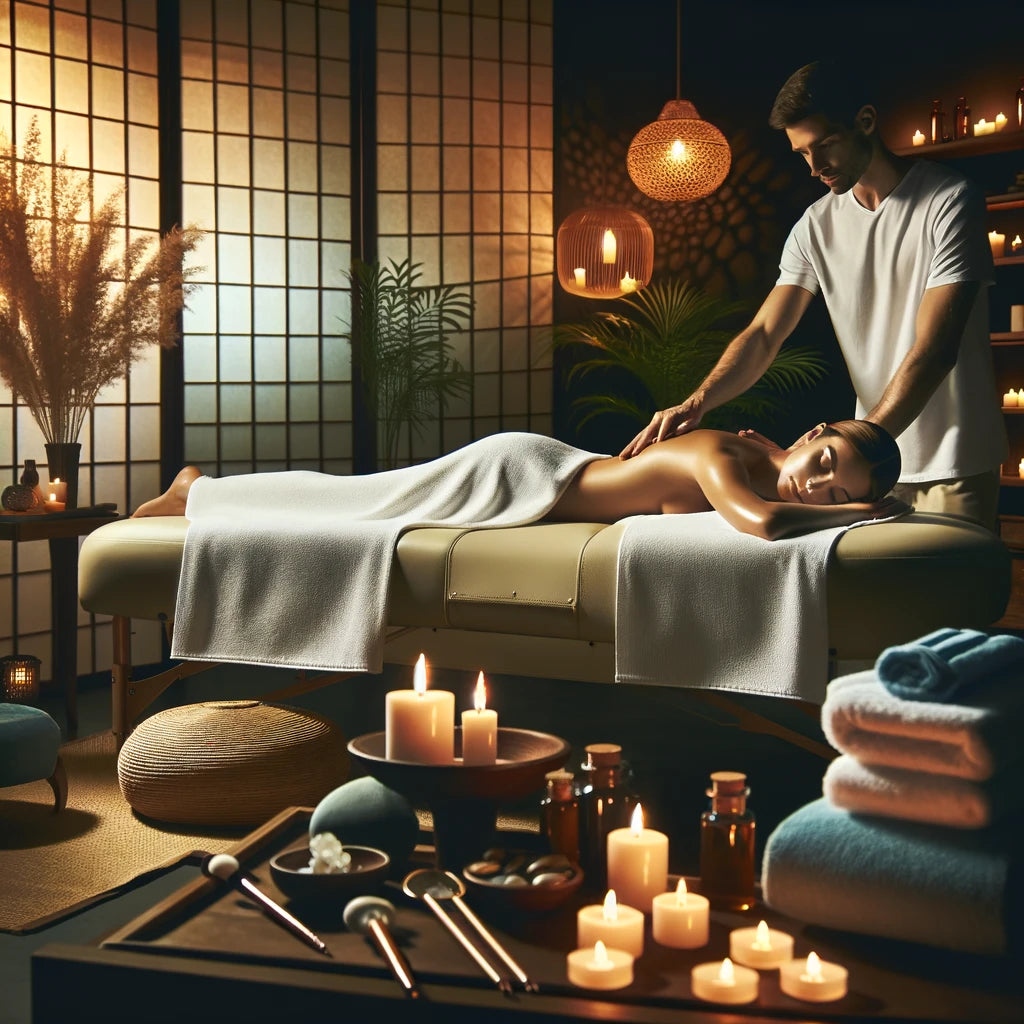
Which areas of the body are treated particularly intensively during a full-body massage?
A full-body massage promises relaxation and relief from tension by treating the entire body. But which areas of the body are the main focus here? This question is of interest to many massage enthusiasts, as it offers a deeper insight into the practices and techniques of massage. In this article, we’ll look in detail at the key areas that are treated intensively during a full-body massage and shed light on the underlying scientific evidence.
The back – the centre of relaxation
The importance of the back in massage
The back is often the centrepiece of any full-body massage. This is because it houses many large muscle groups that are frequently tense due to poor posture, stress or physical strain. Scientific studies have shown that massaging the back improves blood circulation and relaxes the muscles, which can lead to a reduction in pain and stress.
Techniques for Back Massage
Various techniques are used when massaging the back, including kneading, stroking and pressing. These techniques aim to release deeper muscle tension and improve flexibility. The use of devices such as the NAIPO massage chair can provide additional support here, as these devices are specifically designed to massage the back effectively.
Neck and shoulders – key areas of tension
Why the neck and shoulders are important
The neck and shoulders are further areas that are treated intensively during a full-body massage. These regions are prone to tension due to prolonged sitting, poor posture and stress. A targeted massage can help relieve headaches and improve mobility.
Scientific findings on neck and shoulder massage
Studies have shown that regular massages in these areas can increase the production of endorphins, leading to natural pain relief. The NAIPO massage chair is an excellent example of a device specifically designed to massage the neck and shoulder area, thereby specifically relieving tension.
Arms and hands – often neglected areas
The importance of massaging the arms and hands
Although they are often overlooked, the arms and hands are essential areas that should be included in a full-body massage. These areas are often tense, particularly in people who spend a lot of time working at a computer or doing physical labour.
Benefits of massaging the arms and hands
Massaging these areas can promote blood circulation and relieve pain. It can also improve the flexibility and range of motion of the joints. The NAIPO massage chair offers special settings that effectively massage the arms and hands as well, contributing to holistic relaxation.
Legs and feet – the body’s support
Why the legs and feet should be massaged
Legs and feet bear the weight of the entire body and are therefore particularly prone to tension and pain. A massage of these areas can help to relax the muscles and improve blood circulation.
Scientific background to leg and foot massage
Studies show that regular massage of the legs and feet can lead to a significant improvement in blood circulation and a reduction in swelling. The NAIPO massage chair has special functions that massage these areas intensively, thereby contributing to comprehensive relaxation.
For a comprehensive overview of what a full-body massage entails, the different types available, how long they last and how much they cost, see our guide Full-Body Massage: Procedure, Duration, Costs and Effects. For an overview of other types of massage, see our guide Types of Massage at a Glance.
Conclusion
A full-body massage is a wonderful way to relax and loosen up the muscles. However, there are important areas that are deliberately excluded to ensure the client’s comfort and safety. These include the genital area, the breasts in women, the face, injured or painful areas, and extremely sensitive parts of the body. It is important to understand these exclusions in order to have realistic expectations and to be able to enjoy the massage to the full. Anyone wishing to try a full-body massage at a salon can find local massage offers on Groupon (advertisement).
Frequently Asked Questions (FAQs)
1. Is the back always massaged during a full-body massage?
Yes, the back is one of the main areas of focus during a full-body massage and is usually treated thoroughly.
2. Can I ask for certain areas to be excluded?
Yes, you can ask for certain areas to be excluded at any time










Leave a comment
This site is protected by hCaptcha and the hCaptcha Privacy Policy and Terms of Service apply.