





Matching products and services for Massage knowledge
A massage can be truly beneficial for body and soul. But for many people, especially if it's their first massage, the question arises: How should I behave? What should one consider to make the experience as pleasant as possible? In this article, we will answer these questions in detail and give you valuable tips on how to behave best during a massage.
Summary/TLDR
This article explains how to behave correctly during a massage. This includes preparing for the massage, proper behavior during the massage, and tips for afterwards. It is important to be punctual, relax, and communicate with the masseur. Aftercare also plays an important role in experiencing the full benefits of the massage.
Preparing for the Massage
Punctuality is Key
It is important to arrive punctually for your appointment. This gives you enough time to relax and clarify any open questions with your masseur. Also, plan some time for rest afterwards so you don't have to immediately return to the stresses of everyday life.
The Right Clothing
Matching products and services for Massage knowledge
Before the massage, you should wear comfortable clothing that is easy to remove. In most massage practices, you will receive disposable underwear or be asked to keep your own underwear on. It is important that you feel comfortable and are not distracted by uncomfortable clothing.
Share Health Information
Inform your masseur of all relevant health information before the massage begins. This includes allergies, chronic illnesses, or current complaints. This helps the masseur tailor the treatment to your individual needs.
During the Massage
Relaxation and Breathing
During the massage, it is important to relax as much as possible. Focus on your breathing and let yourself be guided by the masseur's movements. Deep, even breaths help release tension and intensify the massage experience.
Communication is Key
Don't hesitate to communicate with your masseur during the massage. Give feedback whether the pressure is too strong or too light, or if certain areas are particularly sensitive. Your masseur wants you to feel comfortable and receive the best possible treatment.
No Distractions
During the massage, try not to think about everyday life or upcoming tasks. Turn off your phone and enjoy the peace. This time is entirely yours and for your relaxation.
After the Massage
Drink Plenty of Water
After the massage, it is important to drink plenty of water. This helps flush out toxins released by the massage from the body and supports muscle regeneration.
Rest and Recovery
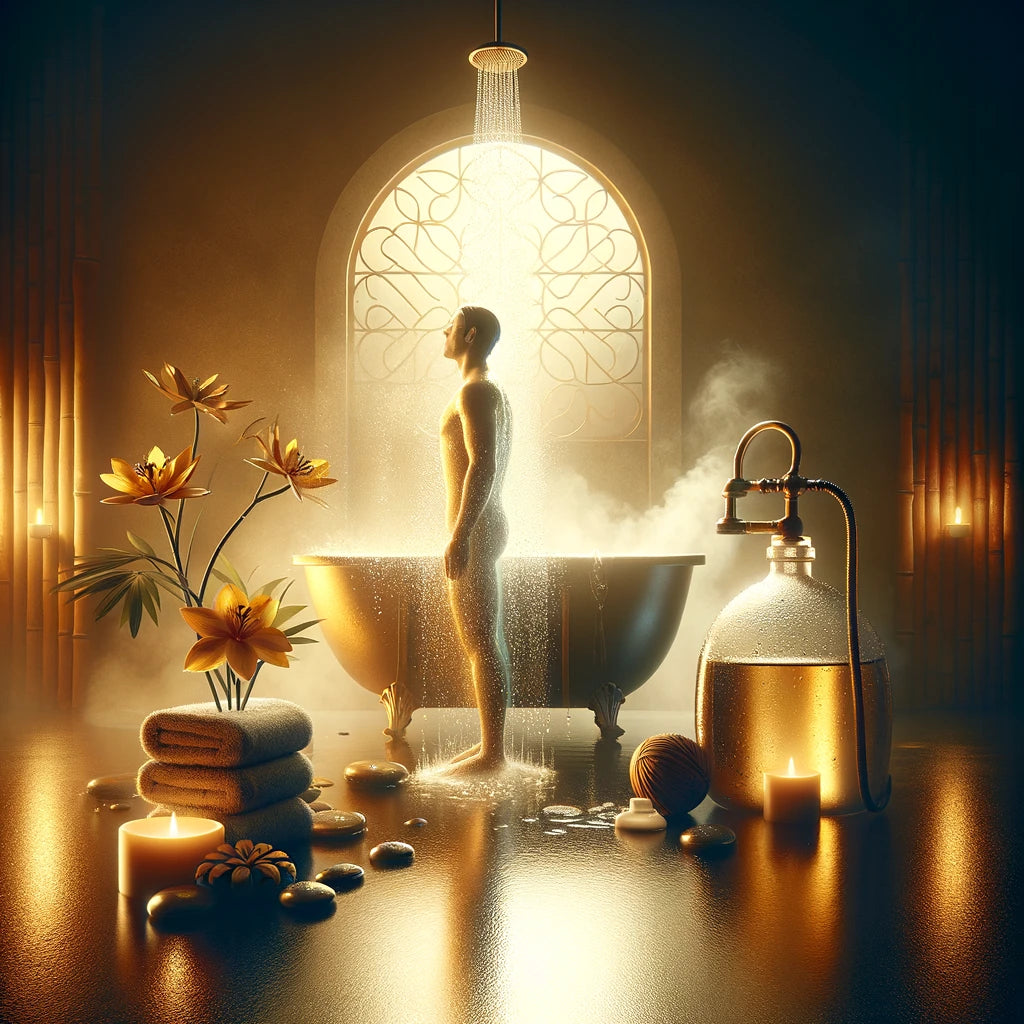
Allow yourself some rest after the massage. Avoid strenuous activities and let the massage take effect. A warm shower or a relaxing bath can also be soothing.
Give Feedback
Share your feedback with your masseur. What did you particularly like? Was there anything that could be improved? Your feedback is valuable and helps the masseur refine their techniques.
Frequently Asked Questions
How often should one get a massage?
That depends on your individual needs and lifestyle. For some people, a monthly massage is sufficient, others prefer weekly sessions.
What should one eat before a massage?
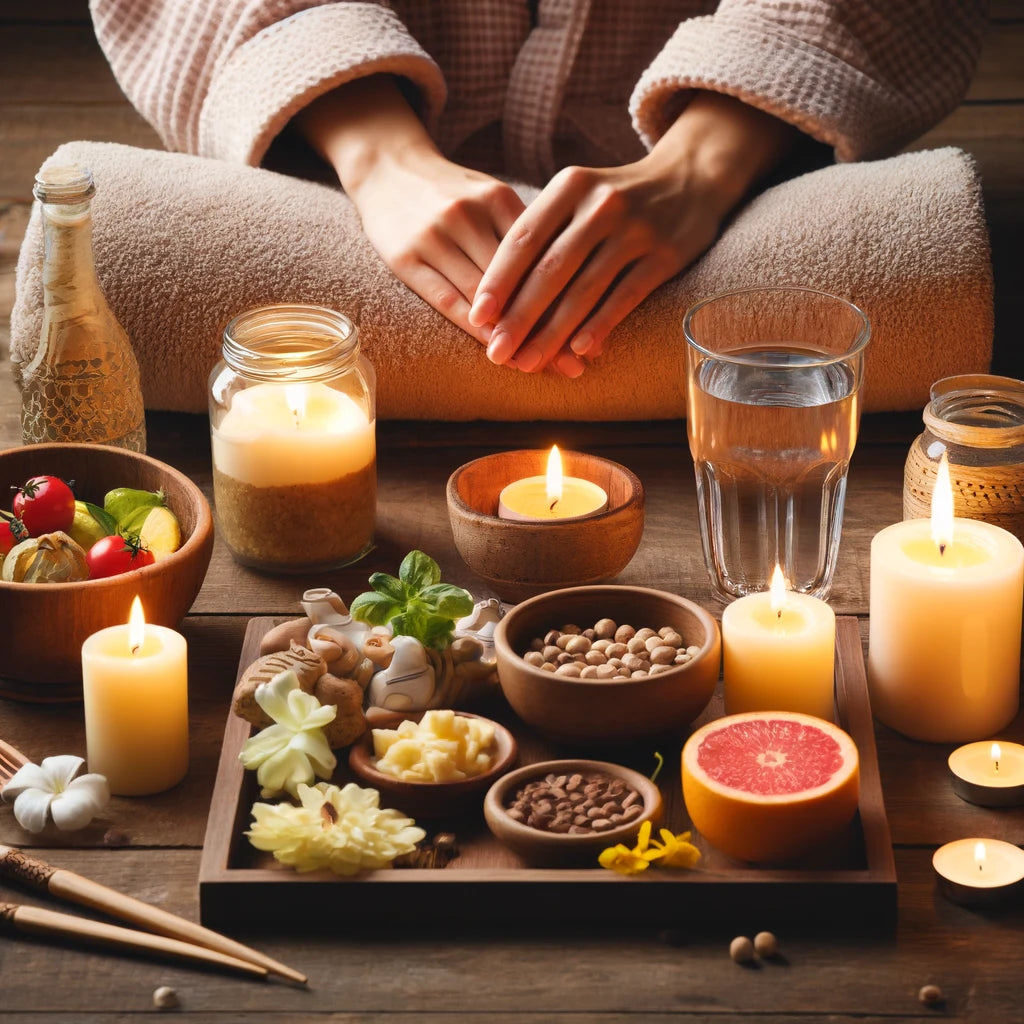
It is advisable to eat only a light meal about two hours before the massage. A full stomach can impair relaxation.
Can one listen to music during the massage?
Many massage practices offer relaxing background music. If you have specific music preferences, you can discuss this with your masseur beforehand.
Is it normal to feel tired after a massage?
Yes, it is completely normal to feel tired and relaxed after a massage. Your body is working to process the treatment and regenerate.
Can a massage cause pain?
Some sensitivity during or after the massage may occur, especially if deeper tissue has been worked on. However, if the pain is too severe, inform your masseur immediately.
Conclusion
A massage is a wonderful way to relax and do something good for your body. With the right preparation, appropriate behavior during the massage, and proper aftercare, you can fully enjoy the experience. Remember to communicate openly and let yourself relax – your body will thank you.
1. What different types of massages are there and which one is right for me?
Introduction
Massages are a wonderful way to relax body and mind. But with the variety of massage types, it can be difficult to find the right one for you. In this article, we will introduce the most common types of massage and explain which ones are best suited for different needs.
Classic Massage
The classic massage, also known as Swedish massage, is probably the best-known form of massage. It involves a combination of kneading, stroking, and rubbing the muscles. This massage is ideal for relieving general tension and promoting blood circulation. Especially after a stressful day at work or intense sports sessions, a classic massage can work wonders.
Aromatherapy Massage
Aromatherapy massage uses essential oils that, in addition to physical relaxation, also promote mental relaxation. Depending on the oil used, the effects can vary – lavender oil, for example, has a calming effect, while citrus oils are invigorating. This massage is perfect for people who are looking for mental as well as physical relaxation.
Hot Stone Massage
The hot stone massage combines massage techniques with the soothing effect of heated basalt stones. The warmth of the stones penetrates deep into the muscles and releases stubborn tension. This form of massage is particularly suitable for people with chronic muscle tension or back pain.
Thai Massage
Thai massage is a very active form of massage in which the masseur stretches and manipulates the patient's body into various positions. This massage can be perceived as quite intense but is extremely effective in increasing flexibility and releasing energy blockages. It is suitable for people looking for a deeper, energetic treatment.
Sports Massage
Sports massage is specifically tailored to the needs of athletes. It can be used both before and after training to prepare the muscles for exertion or to promote regeneration. This massage is ideal for anyone who is regularly active in sports and wants to improve their performance.
Foot Reflexology Massage
Foot reflexology massage is based on the theory that certain points on the foot are connected to various organs and body parts. Massaging these points is believed to promote the health of the entire body. This massage is particularly beneficial for people who stand or walk a lot.
Conclusion
Choosing the right massage depends on your individual needs and preferences. Whether you opt for a classic massage for general relaxation, a hot stone massage for stubborn tension, or a sports massage for performance enhancement – there is a suitable massage type for everyone. And don't forget that modern technologies like the NAIPO massage chair also offer an excellent way to enjoy various types of massages comfortably at home.
2. What should one avoid before and after a massage to get the best possible benefit?
Introduction
A massage can be a true remedy for body and soul. However, to get the most out of a massage, there are a few things to consider both before and after the treatment. In this article, we will give you valuable tips on what to avoid to fully enjoy the beneficial effects of a massage.
Before the Massage
Avoid Heavy Meals
It is advisable not to eat heavy meals at least two hours before a massage. A full stomach can impair well-being during the massage and reduce the feeling of relaxation. Light snacks, such as fruit or yogurt, are a good alternative.
Avoid Alcohol and Caffeine
Alcohol and caffeine should be avoided before a massage, as they can affect circulation and make relaxation more difficult. Water and herbal teas are a better choice to stay hydrated and relaxed.
Reduce Stress
Try to relax before the massage. Breathing exercises or a short meditation can help clear your mind and prepare for the upcoming relaxation. The more relaxed you are going into the massage, the more effective it will be.
After the Massage
Drink Plenty of Water
After the massage, it is important to drink plenty of water. This helps flush out toxins released by the massage from the body and supports muscle regeneration. Make sure to stay well hydrated in the hours after the massage.
Avoid Physical Exertion
Avoid strenuous physical activities after the massage. Give your body time to process the treatment and regenerate. However, light activities such as walking are harmless and can support the effect of the massage.
Avoid Direct Sunlight and Heat
After a massage, the skin is often more sensitive. Avoid direct sunlight and intense heat, such as sauna sessions or hot baths, for at least 24 hours. This protects the skin and promotes regeneration.
Rest Afterwards
Allow yourself a rest period after the massage. Whether you lie on the sofa or take a short power nap is up to you. This time helps the body let the massage take effect and fully relax.
Conclusion
To get the best possible benefit from a massage, it is important to observe certain things both before and after the treatment. Light meals, avoiding alcohol and caffeine, and sufficient water and rest after the massage help you fully relax and maximize the positive effects of the massage. Remember that the NAIPO massage chair can also be an excellent addition to your relaxation program at home.
3. How do I prepare myself mentally and physically for a massage?
A massage can be a deeply relaxing and revitalizing experience, but to get the most out of it, proper preparation is crucial. In this article, you will learn how to optimally prepare yourself mentally and physically for a massage.
Physical Preparation
Hydration is Key
Drink enough water before your massage. Good hydration helps make the muscles more supple and facilitates the masseur's work. Make sure to consume enough fluids in the hours leading up to the massage.
Shower and Hygiene
A shower before the massage is not only hygienic but also helps open the pores and relax the muscles. This helps the massage techniques work more deeply. However, avoid heavily perfumed products that could irritate the skin.
Comfortable Clothing
Wear comfortable, loose-fitting clothing that is easy to remove. This facilitates changing into massage attire and helps you relax faster. Remember to remove any jewelry that might be bothersome.
Mental Preparation
Reduce Stress
Take time to relax before the massage. Breathing exercises, meditation, or simply a few minutes of quiet sitting can help clear your mind and prepare for the upcoming relaxation. The more relaxed you are, the more effective the massage will be.
Communicate Expectations
Think in advance about what you expect from the massage. Do you have specific problem areas or pain? Do you simply want to relax? Clearly communicate these expectations to your masseur to receive the best possible treatment.
Openness to the Experience
Approach the massage with an open mind. Sometimes unexpected techniques or strokes can be surprisingly soothing. Trust your masseur's expertise and embrace the experience.
After the Massage
Rest and Aftercare
After the massage, plan enough time to enjoy the after-effects of the treatment. A relaxing evening without major obligations helps prolong the positive effects of the massage. Use this time to further relax with a book or a NAIPO massage chair.
Conclusion
Good preparation is the key to a successful massage. Through physical and mental preparation, you can ensure that you get the most out of your treatment. Remember to drink enough, relax, and be open to the experience. This way, your massage will be an all-around beneficial experience.
Many techniques from our massage knowledge are also mastered by massage chairs: kneading, tapping, and Shiatsu at the touch of a button, anytime at home. Whether a chair can replace a professional massage is clarified in the guide Can a massage chair replace a massage?.
Matching products and services for Massage knowledge
Frequently asked questions
Written by NAIPO Editorial Team · Massage & Product Experts from Hamburg
Product experts, service technicians, and massage enthusiasts at Alsterwell GmbH — specializing in massage technology for over a decade, with our own workshop and showrooms for test sitting.
Fact-checked by David Eberst · Co-founder of NAIPO



Leave a comment
This site is protected by hCaptcha and the hCaptcha Privacy Policy and Terms of Service apply.