





Matching products and services for Foot massagers
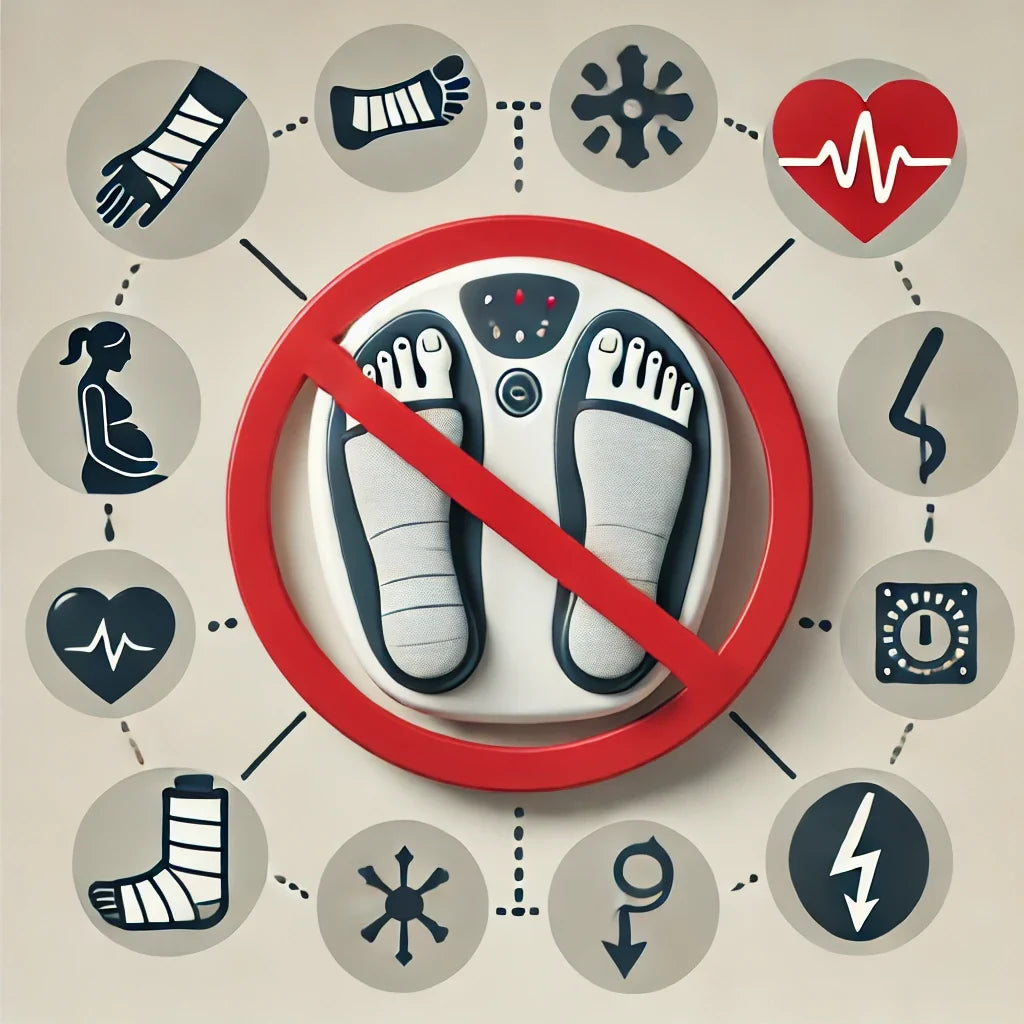
Foot massagers are a wonderful tool for relaxing tired and aching feet. After a long day on your feet, a foot massage can work wonders. However, using such a device isn't always advisable. There are certain situations and health conditions where the use of a foot massager should be avoided. But when exactly are foot massagers not permitted? In this article, we'll explore this question in detail and help you make informed decisions for your health and well-being.
Summary/TLDR
Foot massagers offer soothing relaxation, but they're not suitable for everyone. They should be avoided, especially if you have serious health problems such as poor circulation, injuries, inflammation, pregnancy, or certain chronic illnesses. This article goes into detail about the reasons and explains when using a foot massager is not recommended.
When are foot massagers not permitted?
Health conditions that limit use
There are several health conditions where using a foot massager can be not only uncomfortable but also dangerous. Here are some of the most common cases:
Circulatory disorders
Matching products and services for Foot massagers
People with circulatory disorders, such as those associated with peripheral arterial disease (PAD), should avoid using a foot massager. The massage could further impede blood flow in already compromised vessels and lead to serious complications.
Injuries and wounds
If you have a fresh injury or open wounds on your feet, it's wise to leave the foot massager in the closet. The mechanical stimulation could slow healing or cause infection, especially if the wound hasn't healed properly yet.
Inflammatory diseases
Foot massagers should also be used with caution in cases of inflammatory conditions such as arthritis or gout. During acute phases of these conditions, massage can worsen inflammation and cause additional pain.
pregnancy
During pregnancy, feet are often swollen, and it's tempting to use a foot massager for relief. However, there are certain acupressure points on the feet that could trigger preterm labor. Therefore, it's important to consult a doctor before using a foot massager during pregnancy.
General security concerns
In addition to specific health concerns, there are also general safety concerns that should be considered before using a foot massager.
Electrical risks
Foot massagers are electrical devices, and as with any electrical device, there is a risk of short circuit or electric shock. Therefore, be careful not to use the device near water and regularly check the cords for damage.
Overuse of the feet
It may be tempting to use a foot massager for hours, especially when it's so comfortable. But sometimes less is more. Excessive use can lead to overuse of the foot muscles and cause more harm than good in the long run.
Alternatives to foot massage
If you find yourself in a situation where using a foot massager is not advisable, there are still alternatives to relieve pressure on your feet.
Manual foot massage
A manual massage, whether performed by a partner or a professional massage therapist, can be a good alternative. It allows you to target sensitive areas and better control the intensity of the massage.
Warm foot baths
A warm foot bath with essential oils or bath salts can also be relaxing and promote circulation without the risks of a foot massager.
Use of NAIPO products
Another alternative are products from the NAIPO brand. NAIPO offers a variety of massage devices specifically tailored to different needs. However, before using them, you should ensure that the device you choose is suitable for your specific health condition.
Conclusion
Foot massagers are undoubtedly a great invention that can contribute to relaxation and recovery. However, there are certain situations in which their use should be avoided. Whether in cases of circulatory problems, injuries, inflammation, or during pregnancy – it is always advisable to consult a doctor if in doubt. If you still don't want to miss out on the beneficial effects of a foot massage, there are numerous alternatives, such as manual massages, warm foot baths, or suitable products from the NAIPO brand.
Frequently Asked Questions (FAQs)
1. Can I use a foot massager if I have diabetes?
Diabetics should be especially careful. Since diabetes is often associated with circulatory problems and nerve damage, it is advisable to consult a doctor before using a foot massager.
2. Is it safe to use a foot massager daily?
It's generally safe to use a foot massager regularly as long as there are no health concerns. However, be careful not to overuse and take breaks.
3. Can a foot massager worsen varicose veins?
Yes, if you already have varicose veins, massage can worsen the condition. Therefore, be sure to consult a doctor before using a foot massager.
4. How long should a foot massager session last?
A session should generally not last longer than 15 to 20 minutes to avoid overexertion.
5. Are there special foot massagers for older people?
Yes, there are models specifically designed for older people that offer a gentler massage. The NAIPO brand also offers models suitable for older users.
With this information, you are now well equipped to make responsible decisions about when and how to use a foot massager. Stay healthy and enjoy the beneficial effects of a good foot massage—but only if it's safe!
Matching products and services for Foot massagers

Written by NAIPO Editorial Team · Massage & Product Experts from Hamburg
Product experts, service technicians, and massage enthusiasts at Alsterwell GmbH — specializing in massage technology for over a decade, with our own workshop and showrooms for test sitting.
Fact-checked by David Eberst · Co-founder of NAIPO



Leave a comment
This site is protected by hCaptcha and the hCaptcha Privacy Policy and Terms of Service apply.