Do you suffer from neuropathy and are looking for an effective way to relieve your symptoms? Then a foot massager might be just what you need. These practical devices are not only useful for a relaxing massage after a long day, but can also help alleviate symptoms caused by nerve damage. But before you get one, it's important to understand the benefits, risks, and proper application methods. In this article, you will learn everything you need to know about using a foot massager for neuropathy.
Short summary/TLDR
A foot massager can be valuable support in alleviating neuropathy symptoms. By stimulating nerves and promoting circulation, it can reduce pain and numbness. However, it is important to choose the right device and use it correctly to avoid damage. Brands like NAIPO offer high-quality alternatives specifically suitable for use with neuropathy. This article explains the difference between neuropathy and polyneuropathy, how a foot massager works, the three types of construction, what diabetics need to pay particular attention to, and when you should not use the device.
What is Neuropathy?
Definition and Causes of Neuropathy
Neuropathy, also known as peripheral neuropathy, is a condition in which the nerves that transmit signals to and from the brain and spinal cord are damaged. This can lead to a variety of symptoms, including pain, numbness, tingling, and muscle weakness. The causes are diverse, ranging from diabetes and vitamin deficiencies to infections and toxic substances.
Symptoms of Neuropathy
The symptoms of neuropathy can vary depending on the affected nerve. However, sensations in the feet and hands are common and can worsen over time. Some patients also report burning pain, stabbing sensations, or a feeling as if they are walking on cotton wool.
Neuropathy and Polyneuropathy: where the difference lies
The terms are often used interchangeably, but they do not mean the same thing. Neuropathy means: a single nerve is damaged. Polyneuropathy means: many nerves are damaged simultaneously, usually symmetrically and mostly first in the feet and hands. The most common cause in Germany is diabetes, followed by alcohol, vitamin deficiency, and infections.
For the application of a foot massager, the difference makes little difference. The symptoms are the same: numbness, tingling, burning pain, sometimes muscle weakness or decreased reflexes. What follows applies to both.
What a device can and cannot do
A massage can promote circulation, relieve tension, and alleviate pain. It does not repair damaged nerves. Those who buy with this expectation will be disappointed. Those who seek relief in everyday life often are not.
How a Foot Massager Works
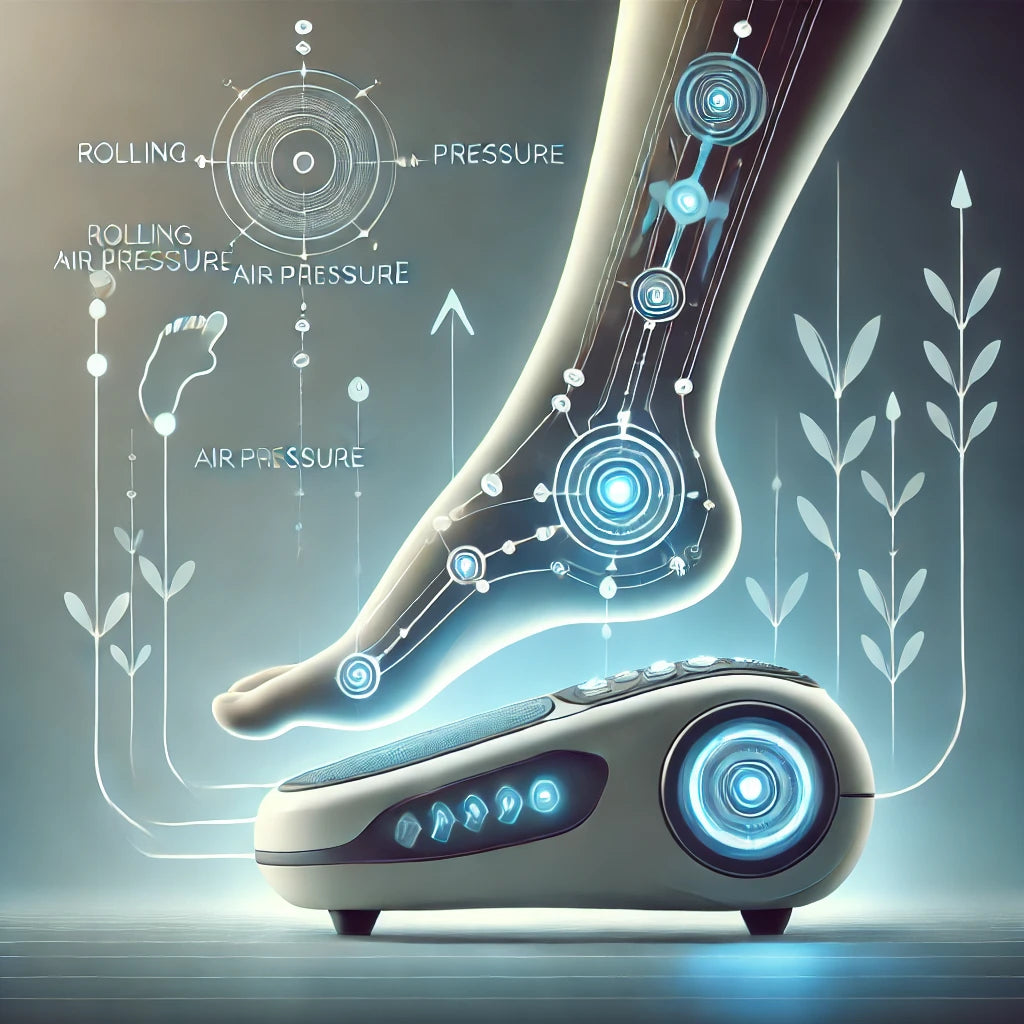
A foot massager typically works through mechanical vibrations, kneading movements, or air pressure that act on the soles of the feet and surrounding areas. This stimulation can improve blood circulation, activate nerves, and relax muscles. For people with neuropathy, this can mean symptom relief, as increased blood circulation and activation of nerve endings can help alleviate pain and reduce numbness.
The Benefits of Use for Neuropathy
-
Improved Circulation: One of the main causes of neuropathy symptoms is poor circulation in the affected areas. A foot massager can promote blood circulation, which can be particularly beneficial for diabetics.
-
Pain Relief: Massage applies pressure to the nerves, which can lead to a reduction in pain signals. Many users report a significant reduction in their pain after regular use.
-
Relaxation and Stress Reduction: Neuropathy can also lead to stress and anxiety. The calming effect of a foot massage can help relax the mind and improve overall well-being.
Risks and Precautions
Despite the many benefits, there are also some risks associated with using a foot massager for neuropathy. Improper use or choosing an unsuitable device can lead to skin irritation, bruising, or even a worsening of symptoms. Therefore, it is important to consult a doctor before use and choose a device that is specifically suitable for people with sensitive feet.
What to look for when buying
When buying a foot massager, you should pay attention to a few important factors to ensure that the device is suitable for your needs. These factors include:
-
Adjustable Intensity: A good foot massager should offer various intensity levels so you can adjust the massage to your pain sensitivity.
-
Heat Function: Some devices offer a heat function that can further promote circulation and provide additional relaxation.
-
Material and Design: Make sure the material is skin-friendly and the design is ergonomic to ensure maximum comfort.
The three types of construction compared
Shiatsu. Rotating kneading heads work deep in the tissue. Effectively relieves tension, but is the most powerful variant. Start low with sensitive feet.
Vibration. Works broadly and gently, creating a slight tingling sensation. The most tolerable type of construction if the skin is sensitive.
Air pressure. Inflatable cuffs enclose the foot and press in waves. Good for swelling, as no pinpoint pressure is created.
Recommendations and Alternatives
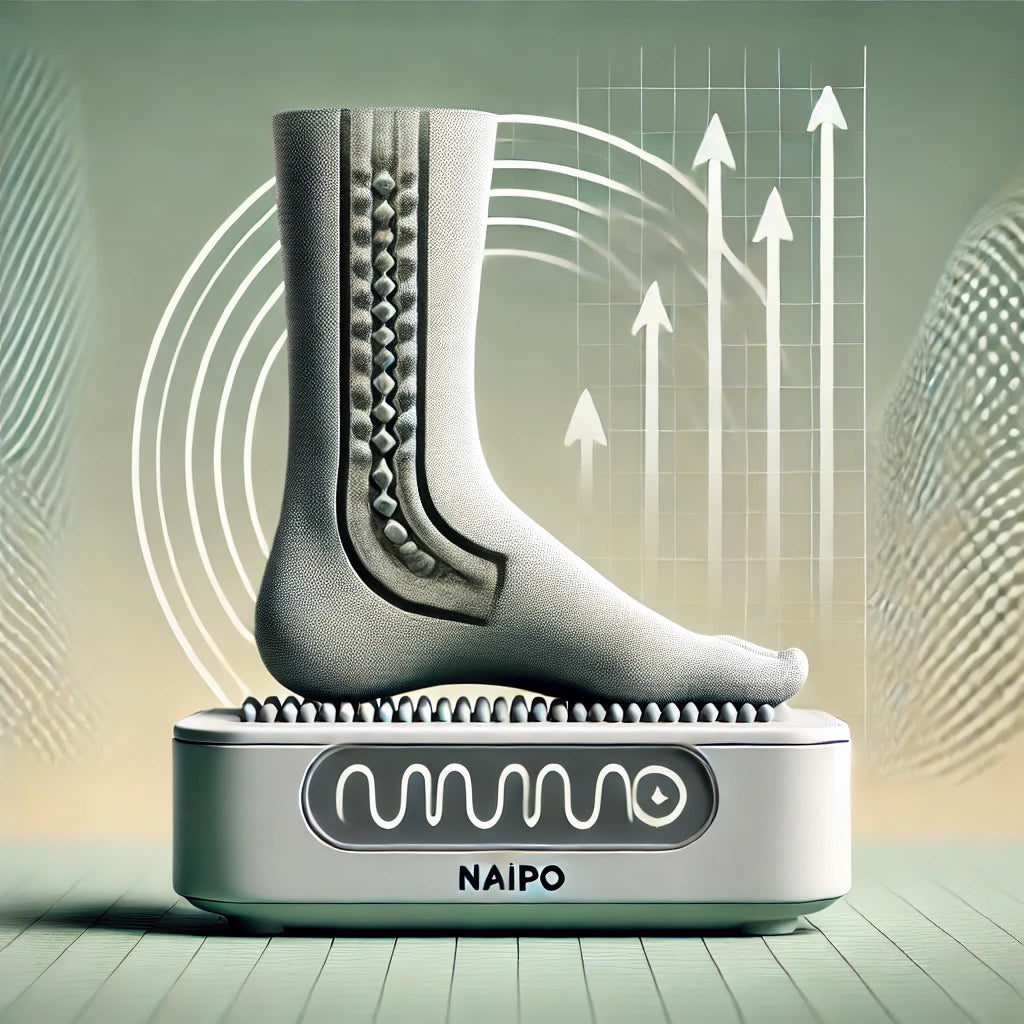
A brand that particularly stands out for quality and functionality is NAIPO. NAIPO foot massagers are known for their user-friendly designs and effective relief of neuropathy symptoms. They offer various models specifically tailored to the needs of people with nerve damage.
Correct application for maximum effect
Proper use of a foot massager is crucial to achieve the best possible results while minimizing risks. Here are some tips:
-
Start with low intensity: If you are using the device for the first time, start with the lowest intensity and gradually increase it, depending on how your feet feel.
-
Regular use: For optimal effect, the device should be used regularly, but not too frequently. An application of 10 to 15 minutes per day is usually sufficient.
-
Listen to your body: Listen to your body and stop the application if you experience pain or discomfort.
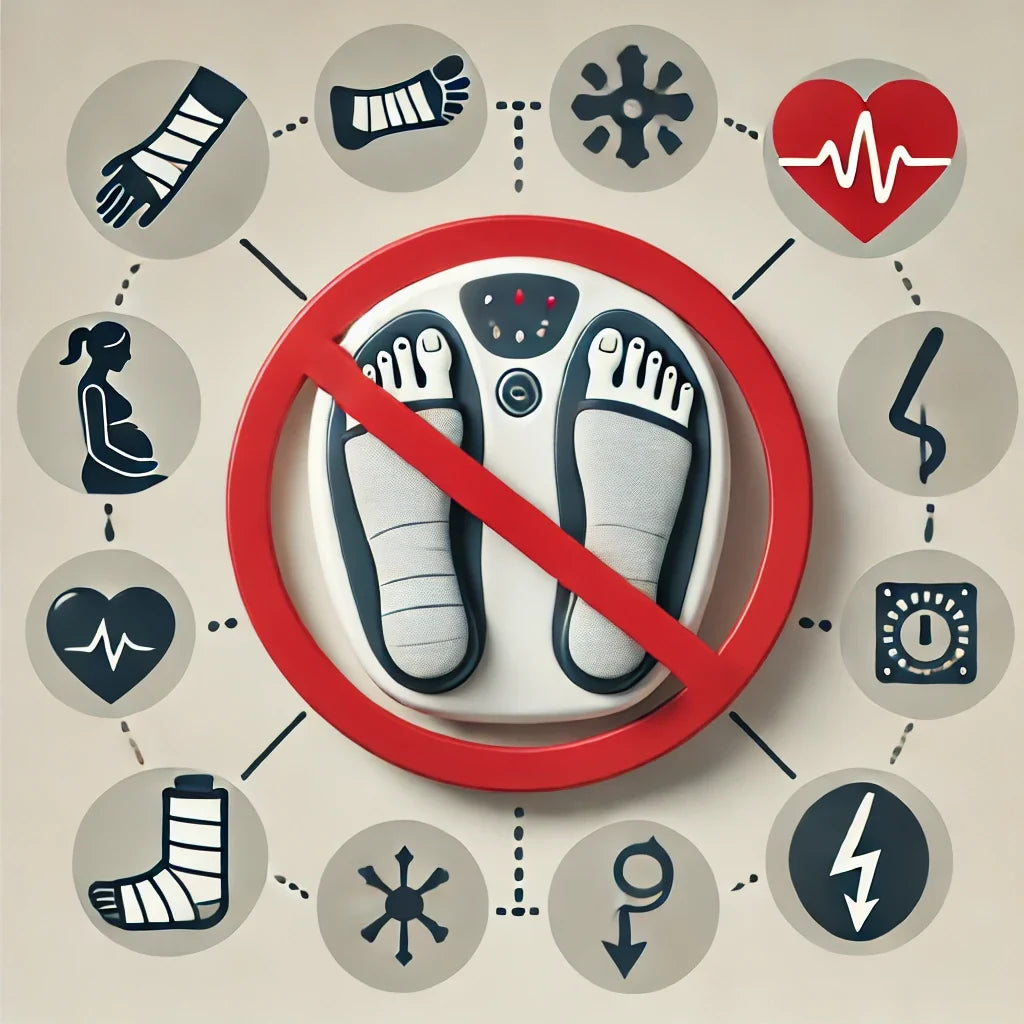
When should you not use the foot massager?
There are certain situations in which the use of a foot massager is not recommended. These include:
-
Acute injuries: In the case of fresh injuries or open wounds, use should be avoided.
-
Severe circulatory disorders: In certain diseases that severely impair circulation, massage can be harmful.
-
Advanced nerve damage: In cases of highly advanced neuropathy, caution is advised, as the nerves may be overstimulated.
Diabetic polyneuropathy: what is particularly important then
Diabetic polyneuropathy is the most common form. It requires more caution than any other, for a simple reason: if sensation in the feet decreases, you notice too late that something is too tight or too hot.
Gentle rather than strong. The skin is often more sensitive and easily injured. A device with finely adjustable levels is more important than one with a lot of power.
Heat only controlled. Heat promotes circulation, but never test the temperature with your foot. Use the back of your hand or your elbow.
Examine feet afterwards. After each application, check for redness, pressure points or small injuries. What you don't feel, you have to see.
Consult a doctor once. Before the first application, not after the first problem.
Conclusion
A foot massager can be an effective way to alleviate the symptoms of neuropathy and improve overall well-being. However, it is important to choose the right device and use it correctly. Brands like NAIPO offer high-quality alternatives specifically designed for people with neuropathy. Remember to always consult a doctor before use to ensure it is the right choice for you.
FAQs
1. Can a foot massager treat all types of neuropathy?
No, a foot massager can particularly help with peripheral neuropathy, but not all types of neuropathy can be treated with massage. It is important to know the exact cause of your neuropathy.
2. How often should I use a foot massager?
Generally, an application of 10 to 15 minutes per day is sufficient. Listen to your body and adjust the frequency accordingly.
3. Are there side effects when using a foot massager?
Possible side effects can include skin irritation, bruising, or a worsening of symptoms if used improperly. Therefore, choose a device with adjustable intensity and consult your doctor.
4. Can I use a foot massager during pregnancy?
During pregnancy, a foot massager should only be used after consulting a doctor, as certain points on the foot could trigger contractions.
5. Which brand is particularly recommended for people with neuropathy?
NAIPO is a brand that stands out for high-quality and user-friendly foot massagers, specifically developed for people with neuropathy.










Leave a comment
This site is protected by hCaptcha and the hCaptcha Privacy Policy and Terms of Service apply.