





Matching products and services for Foot massagers
Imagine coming home after a long, exhausting day. Your feet ache, and all you wish for is a soothing foot massage. A foot massager seems like a godsend in such moments. But as tempting as it may be, there are situations where using a foot massager can do more harm than good. In this article, we will discuss in detail when you should refrain from using such a massage. Because as with many things in life, prevention is better than cure.
Summary/TLDR
Foot massagers are wonderful aids for relaxation and pain relief. However, there are specific circumstances under which they should not be used, such as acute injuries, certain health conditions, or during pregnancy. This article lists all contraindications in order, states how long a session can last, and shows three alternatives if the device is not suitable.
When should you not use a foot massager?
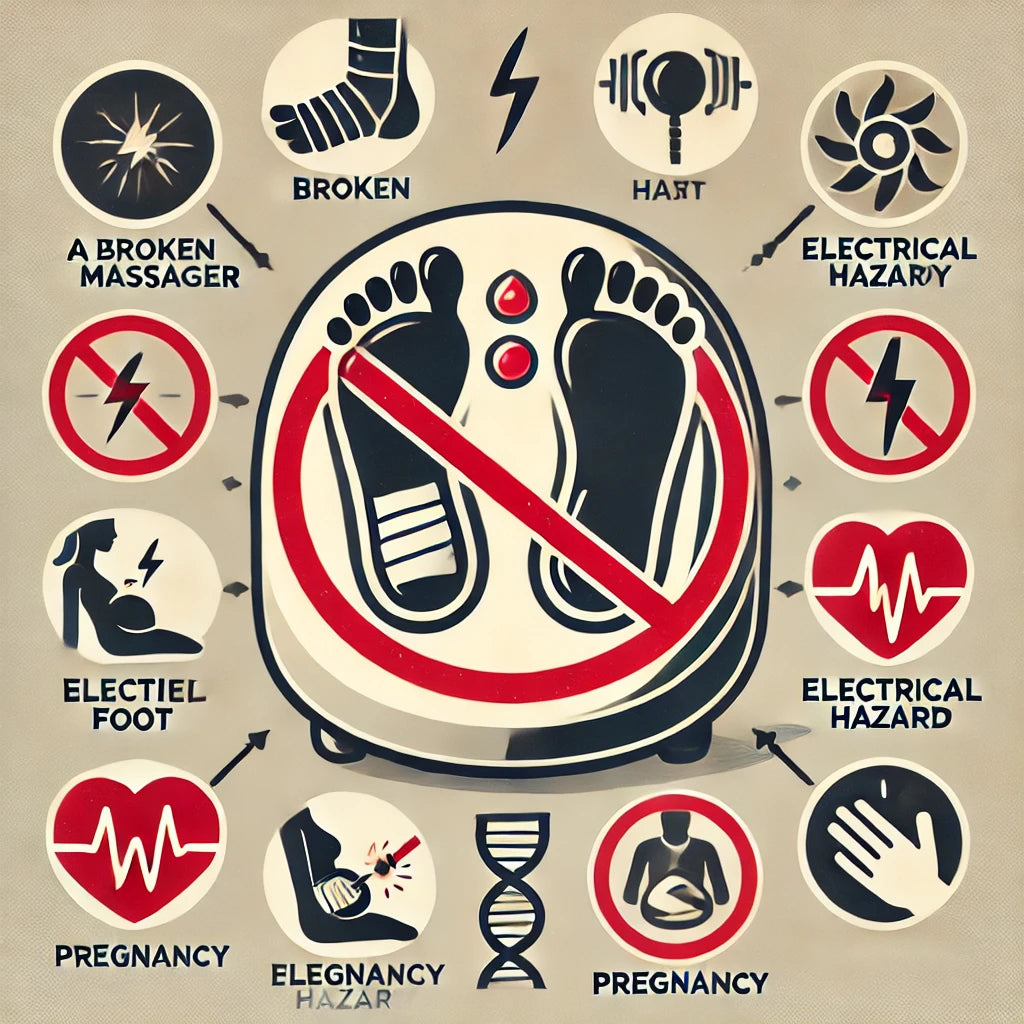
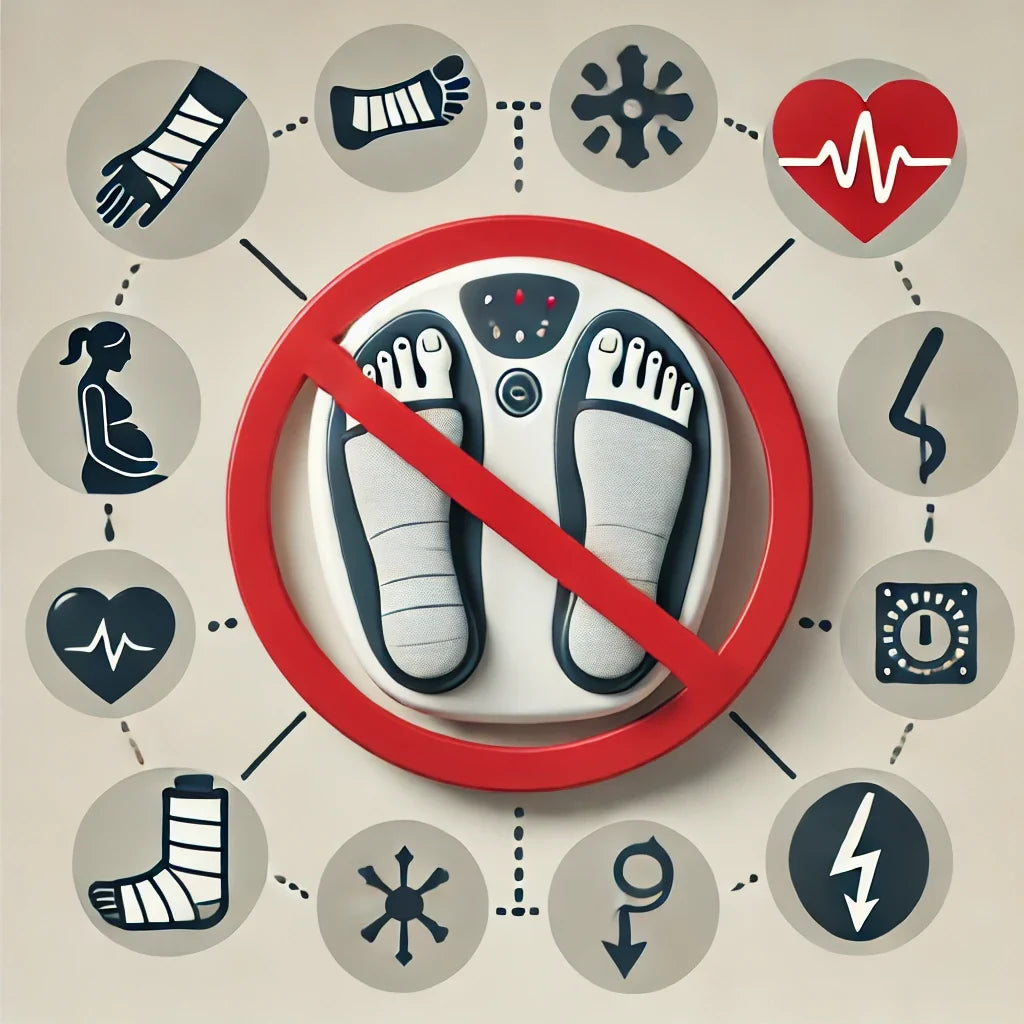
A foot massager can work wonders, but it's important to know that it's not suitable for everyone or every situation. Here's when you should rather avoid using one.
In case of acute injuries or pain
Injuries such as sprains and fractures
One of the most important rules when using a foot massager is not to use it for acute injuries such as sprains or fractures. Why? Well, a foot massager applies pressure to the feet, which can worsen such injuries. Imagine you have a sprained ankle – the additional pressure could not only cause pain but also hinder healing.
Swelling and inflammation
The same applies to swelling or inflammation. In such cases, it is advisable to leave the affected area alone and, if necessary, seek medical advice. A foot massager could increase swelling and prolong the healing process.
With certain medical conditions
Diabetes and circulatory disorders
People with diabetes or circulatory disorders should be especially careful. In these conditions, sensation in the feet can be impaired, meaning you may not notice if the massager is too strong or uncomfortable. Furthermore, small injuries or pressure points caused by the device could have serious consequences.
Matching products and services for Foot massagers
Cardiovascular diseases
If you suffer from cardiovascular diseases, you should also be careful. Using a foot massager can affect blood pressure and heart rate, which can be risky in certain cases. Before using such a device, it's best to talk to your doctor.
During pregnancy
Risk of labor and miscarriage
Pregnant women should be particularly careful. There are certain reflex zones on the feet that, when stimulated, could trigger premature labor. Especially in the first and last weeks of pregnancy, the use of a foot massager should be approached with caution. If you are unsure, talk to your doctor or midwife before using the device.
In case of skin problems and infections
Fungal infections and open wounds
Foot massagers should not be used if you have skin problems such as fungal infections or open wounds on your feet. Using a device could worsen the infection or further open the wound. There is also a risk that bacteria or fungi could enter the device and multiply there.
In case of electronic interference
Use with pacemakers
If you have a pacemaker, you should definitely discuss the use of an electric foot massager with your doctor. There are reports that such devices could cause electrical interference, which can be dangerous for pacemaker wearers.
In case of circulatory disorders and varicose veins
Anyone with peripheral arterial disease should avoid using the device. The blood vessels are already narrowed. Additional pressure can further impede blood flow. The same applies to existing varicose veins: massage can worsen the condition. In both cases, talk to your doctor beforehand.
In case of inflammatory diseases
Arthritis and gout occur in flare-ups. In an acute phase, a massage intensifies inflammation and pain. Wait until the flare-up is over. Between flare-ups, gentle application is usually unproblematic, but this should also be clarified by a doctor.
When is a foot massager a good choice?
After all these warnings, the question arises: When is a foot massager a good choice? If you have none of the complaints mentioned above, a foot massager can be a fantastic way to relax, relieve stress, and revitalize tired feet. One brand that particularly stands out in this area is NAIPO. Their devices are known for their quality and user-friendliness and offer a gentle but effective massage that is perfect for everyday use.
Safety in everyday life: electricity, duration, frequency
A foot massager is an electrical appliance. It does not belong near water, and a damaged cable should no longer be plugged into the socket. Check cables and plugs from time to time.
Regarding duration: more is not better. A session of 15 to 20 minutes is sufficient. Massaging for hours overstrains the foot muscles. If your feet feel heavy or sore after use, it was too much.
If the device is not an option: three alternatives
Hand massage. You or someone else feels where the pressure becomes too strong. A device does not. For sensitive feet, this is the safer way.
Warm foot bath. Warmth promotes blood circulation without mechanical pressure. For diabetics, check the water temperature with your elbow, not your foot, beforehand.
A gentler device. Some models work with air pressure instead of kneading heads and can be finely adjusted. Even then, it is important to clarify whether your health condition allows the application.
Conclusion
A foot massager can be a wonderful addition to your wellness routine, as long as you ensure it is used under the right conditions. Pay attention to your body and avoid using it if any of the mentioned risk factors apply to you. This way, you can ensure that you only experience the positive effects of the massage without unnecessarily harming yourself.
FAQ
1. Can I use a foot massager if I have diabetes?
It is advisable to be especially careful with diabetes. Be sure to discuss the use of a foot massager with your doctor to avoid potential risks.
2. Why should I not use a foot massager for swelling?
A foot massager can stimulate blood circulation, which can be counterproductive for swelling and could even increase the swelling.
3. May I use a foot massager during pregnancy?
During pregnancy, especially in the first and last weeks, caution is advised. Certain reflex zones could trigger premature labor. It is best to consult your doctor or midwife.
4. Is a foot massager safe for cardiovascular diseases?
Individuals with cardiovascular diseases should only use a foot massager after consulting their doctor, as it can affect blood pressure and heart rate.
5. What do I do if my foot swells or hurts after the massage?
If your foot swells or hurts after using a foot massager, stop using it immediately and consult a doctor to clarify the cause.
6. Does a foot massager worsen varicose veins?
That can happen. For existing varicose veins, the application should be medically clarified beforehand.
7. How long should a session last?
Usually 15 to 20 minutes. Longer sessions are ineffective and overstrain the muscles.
8. Are there devices for older people?
Yes. There are models with gentler intensity and simple operation. Important features are low pressure settings and an automatic shut-off.
If you enjoy foot massages: In the massage chair overview, you will find models that massage feet, legs, and back in one session.
If you want to compare models: The overview of all NAIPO foot massagers shows functions and prices at a glance.
Related: How long can you use a foot massager?.
Matching products and services for Foot massagers
Frequently asked questions

Written by NAIPO Editorial Team · Massage & Product Experts from Hamburg
Product experts, service technicians, and massage enthusiasts at Alsterwell GmbH — specializing in massage technology for over a decade, with our own workshop and showrooms for test sitting.
Fact-checked by David Eberst · Co-founder of NAIPO



Leave a comment
This site is protected by hCaptcha and the hCaptcha Privacy Policy and Terms of Service apply.