 by NAIPO


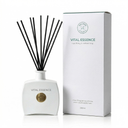





A fragrance in an oshibori is an addition, not an essential component. The original Japanese version does not contain any, and in many establishments the unscented cloth is the better choice. Those who do choose to add fragrance, however, use a very small amount, as the heat significantly intensifies any scent.
목차 보기
Why heat intensifies everything
Essential oils evaporate more quickly the warmer they are. A single drop that is barely noticeable on a cold cloth will fill the space in front of the guest’s face when applied to a warm cloth.
This leads to the most important rule: what smells pleasant on a cold cloth is too strong on a warm one. The dosage should therefore always be tested on the warm cloth, not the cold one.
Which scents work best
- Citrus. Lemon, yuzu, bergamot. Has a fresh effect, is suitable before a meal and is the classic choice.
- Green tea. Subtle, Japanese in character, suits almost any occasion and does not interfere with a meal.
- Lavender. Calming; suitable for the wellness area, but not before a meal.
- Eucalyptus and mint. Very pronounced. Works well in the spa after exercise, but is almost always too overpowering at the table.
What doesn’t work are sweet and heavy notes. Vanilla and floral scents quickly become overpowering on a warm, damp cloth.
How to measure it out
The fragrance is added to the moistening water, not directly onto the cloth. One to two drops of essential oil per litre of water is the starting point, and that’s less than most people would expect.
Oil and water do not mix on their own. The water must be stirred before each dip, otherwise the first towel will get everything and the last one nothing. If you want to be more precise, use a water-soluble fragrance concentrate instead of pure oil.
When it’s better to leave it out
In the catering industry, the scent competes with the food. A sommelier will reject any scented oshibori before a wine pairing, and rightly so: the smell on one’s own hands lingers throughout the entire course.
In the spa area, the scent may clash with the treatment products. And as a general rule: for guests with sensitive skin or fragrance allergies, the unscented towel is the only safe choice – and you won’t know which guests these are in advance.
In operation
Over time, scented additives leave residues on towels and equipment. Both should be included in the cleaning schedule: wash towels regularly without additives, and clean the equipment as usual.
And a practical tip: if you use a fragrance, stick to a single scent and do not change it seasonally. Recognisability has a stronger effect with scents than variety. Everything else relating to the cycle is covered in the article Oshibori and Hygiene.
The alternative
Instead of scenting the towel, the fragrance can be diffused into the room. This keeps the two things clearly separate: the guest smells the ambience, but not their own hands all evening.
As for the towel itself, it all comes down to the quality of the fabric, and that determines the overall impression more than any added fragrance anyway. Suitable products can be found under CalmConcept, such as the towel roll; the question of materials is covered in the article Oshibori Towels: Materials and Care.
Frequently asked questions
How much essential oil should go into the oshibori?
One to two drops per litre of moistening water is a good starting point. The scent is added to the water, not the towel itself, and the amount should be adjusted when the towel is warm, as heat intensifies any scent.
Which scent is best before a meal?
Citrus scents such as lemon, yuzu or bergamot, and a subtle green tea. Lavender is more suited to a spa setting, whilst sweet and heavy notes such as vanilla can quickly become overpowering on a warm towel.
When is an unscented towel the better choice?
Before a wine pairing, if the scent would clash with a treatment product, and for guests with sensitive skin or fragrance allergies. A neutral towel is never a bad choice.
A note on essential oils
Essential oils are concentrated plant extracts and are not harmless additives. When applied undiluted to the skin, they can cause irritation; citrus oils, in combination with sunlight, can make the skin more sensitive.
When using them in a towel, this means: dilute them heavily, use only food-grade or cosmetic-grade oils, and if in doubt, leave them out. A neutral towel is never a bad choice, but one that is too heavily perfumed certainly is.
자주 묻는 질문

NAIPO 편집부 작성 · Hamburg의 마사지 및 제품 전문가들
Alsterwell GmbH의 제품 전문가, 서비스 기술자 및 마사지 애호가들 — 10년 넘게 마사지 기기에 특화되어 왔으며, 자체 작업장과 체험 시트가 마련된 쇼룸을 운영하고 있습니다.
NAIPO 편집부 · 출처 확인 완료


