





Imagine walking into a cosy studio, the scent of essential oils in the air, soft music playing in the background, and you’re ready to relax completely. You’ve booked a Thai massage – an ancient practice that brings body and mind into harmony. But suddenly you find yourself wondering: what should you wear for a Thai massage? This question can be confusing for many people, especially if it’s your first time experiencing this kind of massage. In this article, we’ll explain everything you need to know about what to wear for a Thai massage.
Hiển thị mục lục
- Bài viết tiếp theo: What to wear for a massage and what to take off
- Bài viết tiếp theo: Is Thai massage painful? How firm is too firm
- Bài viết tiếp theo: What is the difference between a normal massage and a Thai massage?
- Bài viết tiếp theo: How often should you get a Thai massage?
- Bài viết tiếp theo: Why does Thai massage hurt?
- Bài viết tiếp theo: How does a Thai full-body massage work? Step by step
Summary/TLDR
For a Thai massage, you should generally wear comfortable, loose-fitting clothing that allows for freedom of movement. Often, the massage studio will provide suitable clothing. It’s advisable to choose light, breathable fabrics and to avoid wearing jewellery.
What is a Thai massage?
Origins and technique
Thai massage, also known as Nuad Phaen Boran, is a traditional Thai healing method that combines elements of yoga, acupressure and passive stretching. This form of massage aims to harmonise the body’s energy flows and release blockages.
How a Thai massage is performed
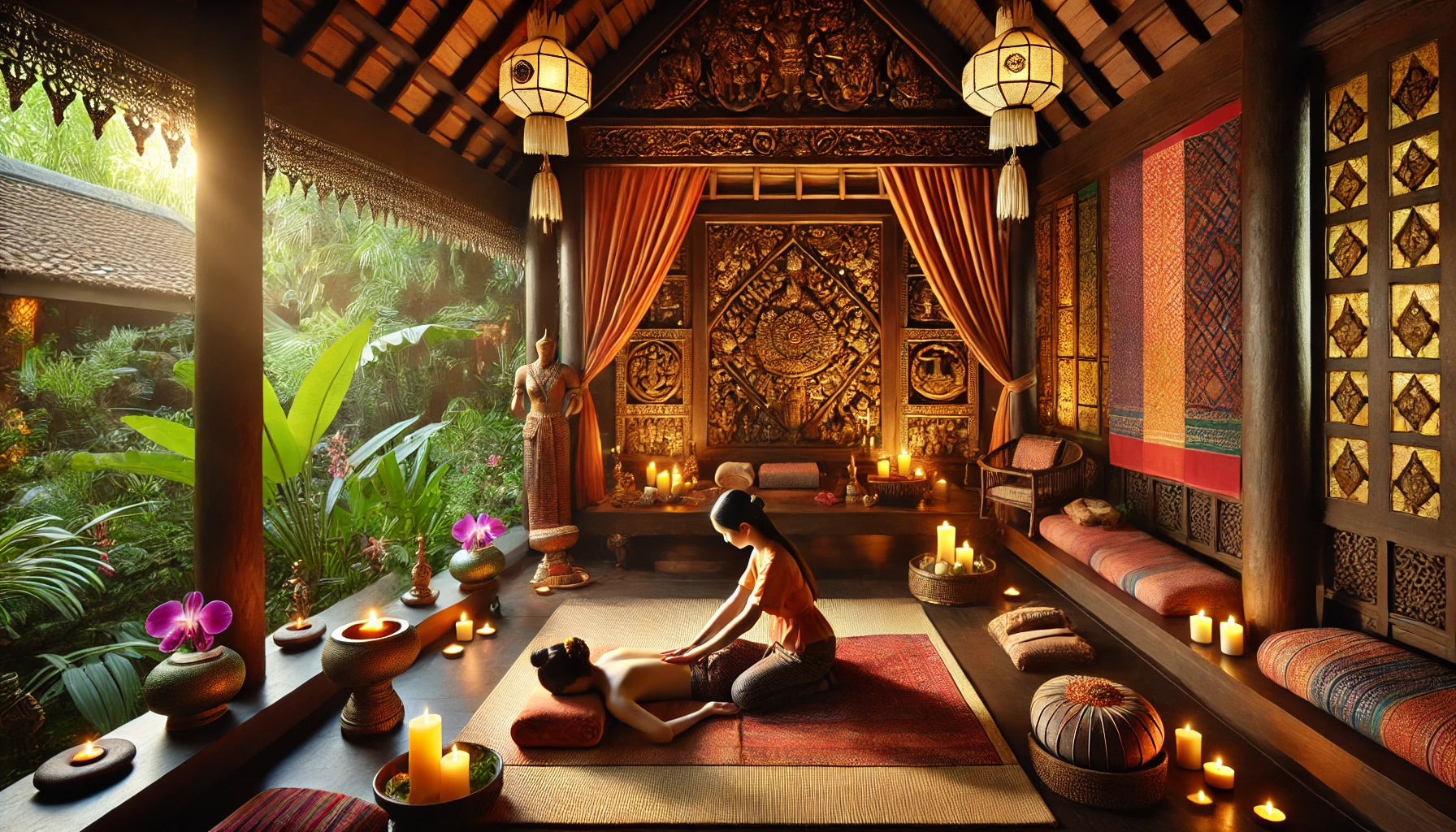
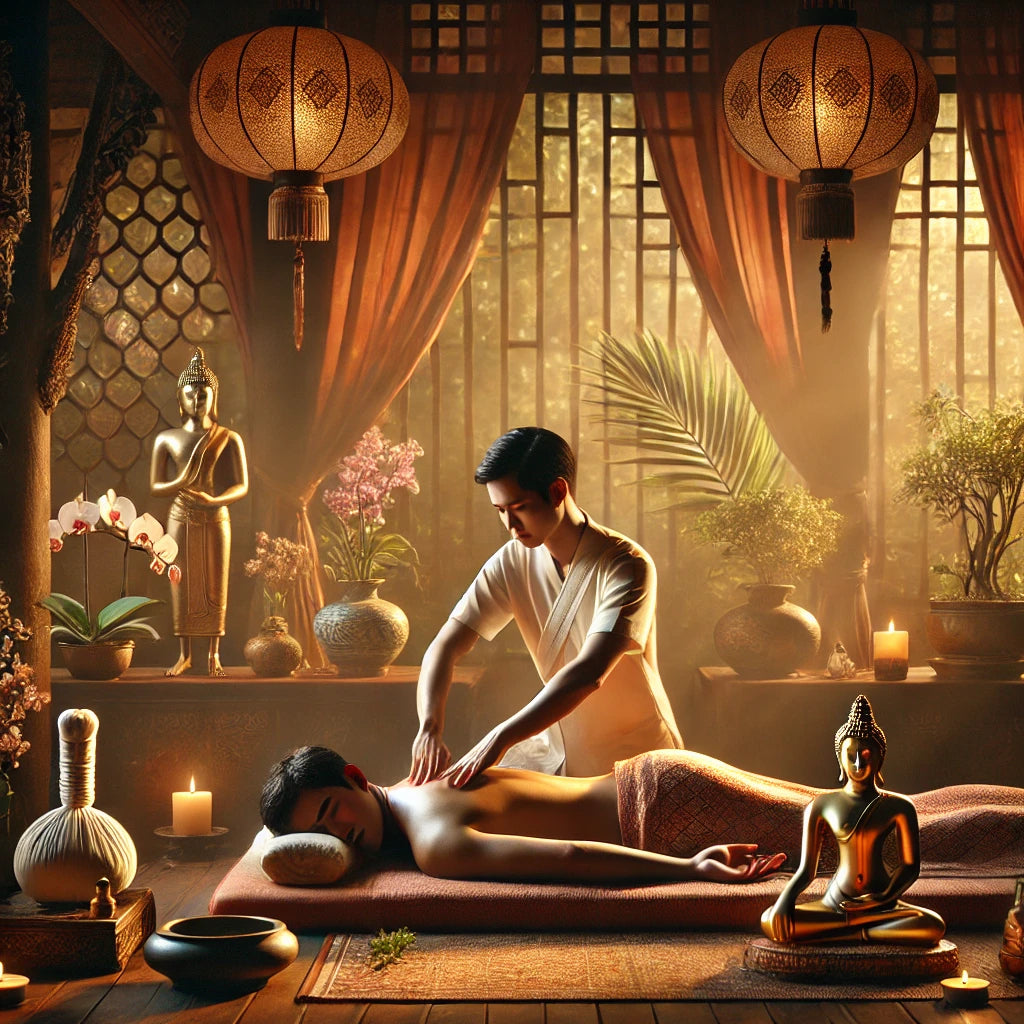
A typical Thai massage lasts around 60 to 120 minutes. The masseur uses their hands, elbows, knees and feet to apply pressure to specific points on the body and to stretch it. Unlike Western massage techniques, the focus is less on oils and more on pressure and movement.
What to wear for a Thai massage
Comfortable clothing is essential
Why comfortable clothing is important
During a Thai massage, you’ll be placed in various positions that require full freedom of movement. Tight-fitting clothing can get in the way and compromise your comfort.
What counts as comfortable clothing?
Loose-fitting trousers and T-shirts made from soft, breathable materials such as cotton or linen are ideal. These fabrics allow your skin to breathe and ensure you feel comfortable throughout the session.
Clothing provided by the studio
Many studios provide clothing
In many Thai massage studios, you’ll be given special clothing designed for the massage. This often consists of loose-fitting trousers and shirts that are easy to put on and take off.
Hygiene and comfort
This clothing provided is not only comfortable but also hygienic. It is thoroughly cleaned after every use, so you don’t need to worry.
What you shouldn’t wear
Avoid tight and uncomfortable clothing
Tight jeans, tight leggings or items of clothing with lots of buttons and zips are unsuitable for a Thai massage. They can disrupt the flow of the massage and are often uncomfortable.
Leave jewellery at home
Rings, necklaces and bracelets can get in the way during the massage or even get lost. It is therefore advisable to remove any jewellery before the massage.
Preparing for a Thai massage
What you should bear in mind before the massage
No heavy meals
Eat only light meals before the massage. A full stomach can be uncomfortable when pressure is applied to the abdominal area.
Personal hygiene
It is advisable to have a shower before the massage. Not only does this leave you feeling fresh, but it also shows respect for the masseur.
After the massage
Relaxation and rest
After the massage, it is important to take time to rest. Your body needs a little time to process the treatment and recover.
Hydration
Drink plenty of water to help your body detoxify. The massage stimulates your metabolism and helps flush toxins from your body.
How do you prepare for a Thai massage?
Proper preparation for a Thai massage is key to an optimal experience. First of all, it is important not to eat any heavy meals for about an hour before the massage. A full stomach can be uncomfortable during the intense pressure and stretching techniques. Instead, light snacks and plenty of water are recommended. Drinking water also helps to keep the body hydrated and supports the detoxification processes stimulated by the massage. Furthermore, you should wear comfortable clothing, preferably made from breathable materials such as cotton. Many massage studios also offer special clothing that you can wear during the session. Another detail that is often overlooked is personal hygiene. Having a shower before the massage is not only important for your own well-being, but also shows respect for the massage therapist. Finally, it can be helpful to arrive a little early for your appointment so that you can settle in at your own pace and prepare yourself mentally for relaxation. A practical tip: if you already own a NAIPO massage chair at home, you can use it beforehand to get in the right frame of mind for the techniques to come and to relieve any initial tension.
What are the benefits of a Thai massage?
Thai massage offers a wide range of health benefits that go far beyond immediate well-being. One of the main benefits is improved flexibility. The combination of passive stretching and targeted pressure techniques mobilises muscles and joints, leading to increased mobility. This is particularly beneficial for people who suffer from muscle tension due to sedentary work or a lack of exercise. Another significant benefit is the promotion of blood circulation. The rhythmic pressure movements stimulate blood flow, which improves the supply of oxygen and nutrients to the cells whilst also aiding the removal of metabolic waste products. Furthermore, Thai massage has a calming effect on the nervous system, which can lead to a reduction in stress and anxiety. Studies have shown that regular Thai massages can enhance general well-being and improve the quality of sleep. If you’ve already had positive experiences with a NAIPO massage chair at home, you’ll find that Thai massage is based on similar principles of relaxation and muscle care, but has an even more profound effect thanks to human touch and specific techniques.
What should you bear in mind after a Thai massage?
After a Thai massage, it is important to take certain steps to maximise the positive effects of the treatment and support the body’s recovery. One of the first recommendations is to drink plenty of water. The massage stimulates the lymphatic system and promotes the elimination of toxins, which is why increased fluid intake is essential to support this process. Avoid engaging in strenuous physical activity immediately after the massage. Your body needs time to process the intense stretches and pressure techniques. Instead, you should allow yourself some rest and opt for relaxing activities, such as a gentle yoga session or reading a book. A warm bath can also help to further relax your muscles. If you have a NAIPO massage chair at home, you can also use it to prolong the relaxation after the massage and relieve any remaining tension. Also bear in mind that it’s normal to feel a bit tired or even slightly sore the next day. These are signs that your body is responding to the treatment and beginning to recover.
What does a typical Thai massage session involve?
A typical Thai massage session is a carefully structured sequence of techniques designed to bring body and mind into harmony. The session usually begins with a brief consultation, during which the masseur asks about any health concerns and specific needs you may have. This helps to tailor the massage to your individual requirements. The massage itself often begins with you lying on your back, whilst the therapist uses gentle stretches and pressure techniques to warm up the muscles and release tension. You are then moved into various positions – from lying on your side to lying on your stomach – to target different muscle groups and energy points. Throughout the session, the massage therapist uses not only their hands and fingers, but also their elbows, knees and feet to apply deep pressure and ensure maximum relaxation. The combination of rhythmic movements, passive stretches and targeted acupressure promotes blood circulation, releases blockages and improves flexibility. A typical session lasts between 60 and 120 minutes and often ends with a short rest period, during which you can let the deeply relaxing effects of the massage linger. If you’ve already had experience with a NAIPO massage chair at home, you’ll recognise many of the techniques; however, a manual Thai massage performed by a trained therapist offers an even deeper and more personalised treatment.
Is a Thai massage painful?
There is no one-size-fits-all answer to the question of whether a Thai massage is painful, as the perception of pain varies from person to person. Generally speaking, Thai massage is known for being more intense and profound than many Western forms of massage. The techniques involve firm pressure and deep stretches, which aim to release muscle tension and increase flexibility. During the massage, it is quite possible that certain areas may feel uncomfortable or even painful, particularly if there is already tension or muscular blockages in those areas. However, this pain is usually best described as ‘good pain’ – similar to the feeling you get after a good workout. The massage therapist will generally pay attention to your feedback and adjust the pressure accordingly to ensure the massage remains comfortable for you. It is important to speak openly about how you are feeling so that the massage can be tailored to your needs as effectively as possible. If you use a NAIPO massage chair regularly, you will find that it can already relieve a great deal of tension, which may make the intensity of the manual Thai massage more comfortable. In the long term, regular Thai massage helps to raise your pain threshold and improve your general well-being.
Conclusion
A Thai massage can be a wonderful experience if you’re well prepared. Wearing the right clothing plays a crucial role in this. Comfortable, loose-fitting clothing allows you to enjoy the massage to the full and experience the many benefits of this ancient technique. Whether you use the studio’s clothing or bring your own – the main thing is that you feel comfortable and relaxed.
FAQs
1. Can I bring my own clothes to a Thai massage?
Yes, you can bring your own comfortable, loose-fitting clothes. Make sure they’re made from breathable materials.
2. What should I do if the studio doesn’t provide any clothing?
Simply bring your own comfortable clothes. Loose-fitting trousers and a loose T-shirt are ideal.
3. Do I need to remove my jewellery before a Thai massage?
Yes, it is advisable to remove jewellery before the massage to avoid it getting lost or damaged.
4. Can I take part in sporting activities straight after a Thai massage?
It’s better to rest after the massage and give your body time to recover.
5. How often should you have a Thai massage?
That depends on your individual needs. Many people find it helpful to have a massage every one to two weeks to promote ongoing relaxation and well-being.
Some Thai massage techniques, particularly Shiatsu and acupressure, are also offered by modern massage chairs. The Shiatsu guide provides an introduction.
Các câu hỏi thường gặp

Từ Ban Biên tập NAIPO · Các chuyên gia về massage và sản phẩm đến từ Hamburg
Các chuyên gia sản phẩm, kỹ thuật viên dịch vụ và những người đam mê massage của Alsterwell GmbH — chuyên về công nghệ massage trong hơn một thập kỷ, sở hữu xưởng sản xuất riêng và các phòng trưng bày để khách hàng trải nghiệm trực tiếp.
Được kiểm duyệt về mặt chuyên môn bởi David Eberst · Đồng sáng lập NAIPO


Hãy để lại bình luận
Trang web này được bảo vệ bằng hCaptcha. Ngoài ra, cũng áp dụng Chính sách quyền riêng tư và Điều khoản dịch vụ của hCaptcha.