


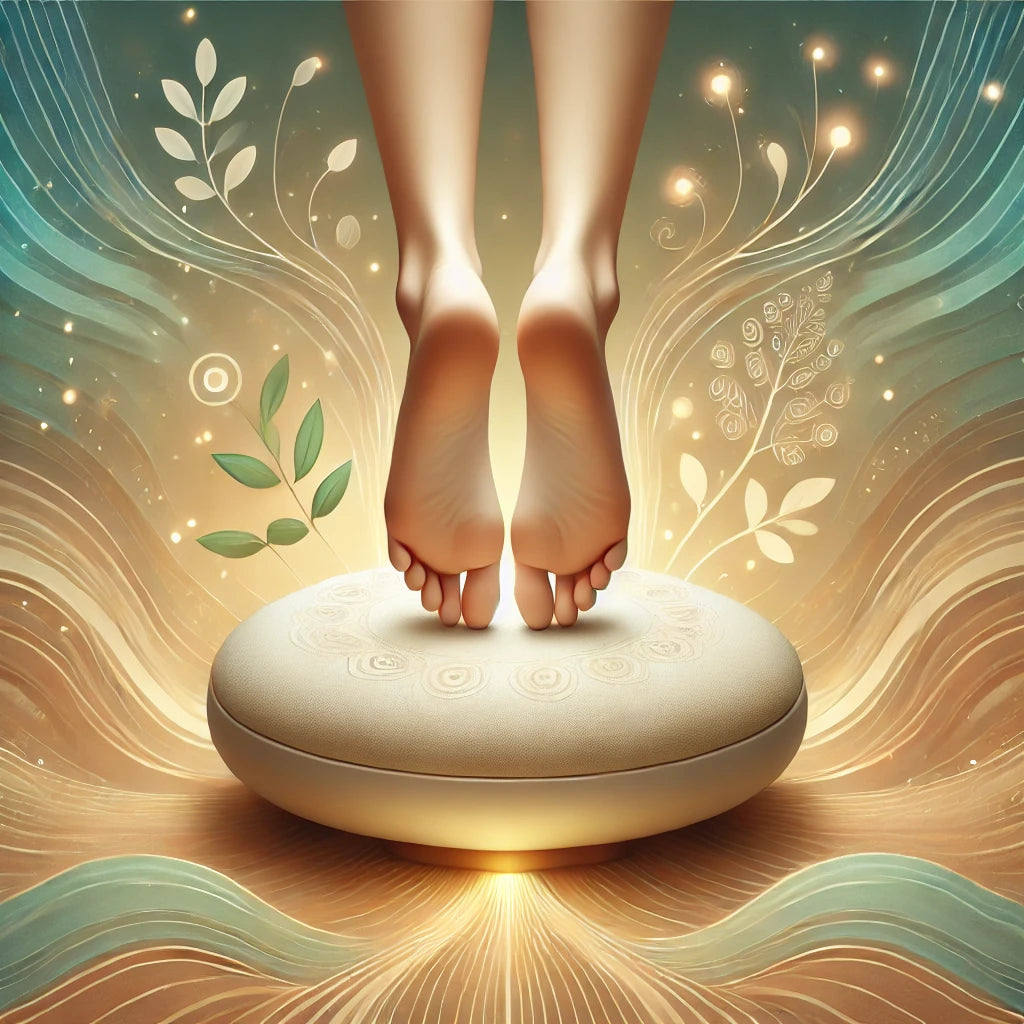



After a long day on your feet, they long for some relaxation. This is where a foot massager comes in. But how do you use one properly? In short: sit comfortably, start on a low setting and massage for 15 to 20 minutes as a guideline, with your device’s instruction manual and automatic shut-off taking priority. Here you’ll find out step by step how to use your foot massager, which types there are and when it’s better to do without.
Pokaż spis treści
- Następny artykuł: Kiedy nie wolno używać urządzeń do masażu stóp?
- Następny artykuł: Is an EMS foot massager dangerous?
- Następny artykuł: Urządzenie do masażu stóp EMS: działanie, skutki uboczne i czas trwania
- Następny artykuł: Jak długo i jak często można korzystać z urządzenia do masażu stóp?
- Następny artykuł: How does a foot massager work?
- Następny artykuł: Kiedy nie należy korzystać z urządzenia do masażu stóp?
Summary/TLDR
A foot massager is a pleasant way to relax after a long day. In this article, you’ll learn how to use a foot massager correctly. We look at the different types of device, what using one can do for you, and give you a step-by-step guide. We also explain when it’s better not to use a foot massager: with diabetes, keep the heat off; with a pacemaker, the manufacturer’s instructions apply. To find out what’s different if you have polyneuropathy, see our article Foot massagers for polyneuropathy: a review.
What is a foot massager?
A foot massager is a device that massages the feet with rollers, air pressure, vibration or heat. There are various types that work with different techniques.
Types of foot massagers
There are several types of foot massager, each offering different functions:
-
Manual foot massagers: you apply the pressure yourself, for example with a roller under the sole of your foot. They are easy to use and do not need electricity.
-
Electric foot massagers: these devices work automatically and often offer various modes such as kneading, vibration or heat.
-
Water massage devices: they combine a water massage with warmth, rather like a spa.
-
EMS devices: they do not work with rollers but with electrical impulses via a foot pad. How this works is explained in Using an EMS foot massager correctly.
What using a foot massager can do for you
Many people use their foot massager regularly because it feels good. This is what most of them report:
Warm, relaxed feet
Many people find their feet feel warmer and looser after the massage. That is not a treatment for circulatory disorders: if you have poor circulation in your feet, check with your doctor before using one.
Tired feet after standing for a long time
Whether from standing for long periods, sport or uncomfortable shoes: almost everyone knows tired feet. Rollers and air pressure then feel loosening and pleasant to many people. If pain persists, have the cause checked by a doctor.
Switching off in the evening
A foot massage at the end of the day helps many people to switch off and wind down.
General well-being
Used regularly, the massage becomes a fixed moment of relaxation in everyday life for many people.
Step-by-step guide: how to use a foot massager correctly
This is the best way to go about it:
Step 1: Preparation
Sit comfortably so that your feet rest loosely in the device and your knees are not locked. Wash and dry your feet beforehand. Most devices are used barefoot or in thin socks; what your device requires is in the instruction manual.
Step 2: Choose the right programme
If your device offers different modes or programmes, choose the one that suits you best. Gentle kneading is good for relaxing; many people find more intense levels pleasant for tight calves or soles. Still, start on a low setting and only increase it once it feels good. If you have diabetes, keep the heat off.
Step 3: The duration of the massage
As a guideline, 15 to 20 minutes per session. Your device’s instruction manual and automatic shut-off take priority: if the manual says less or the device switches off sooner, the session is over. Massaging for longer does not bring more relaxation, but it is more likely to irritate the skin. More on this in How long can you use a foot massager?.
Step 4: After the massage
After the massage, let your feet rest for a few minutes. Many people then stretch them gently to prolong the relaxation.
When you should avoid using a foot massager
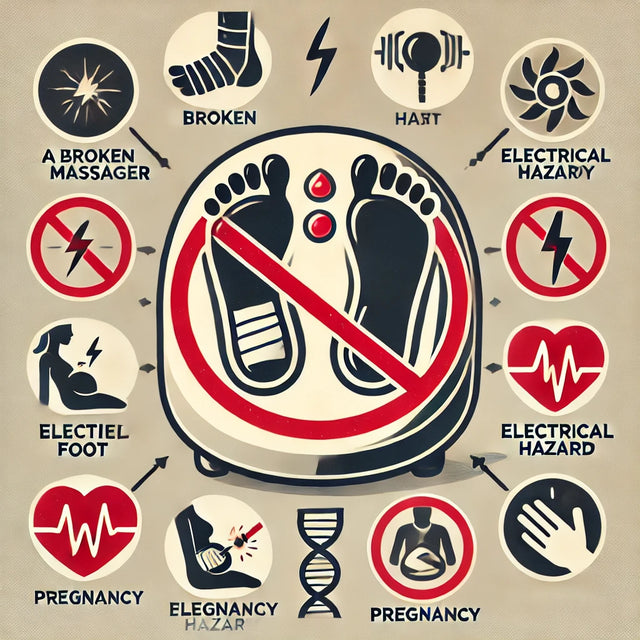
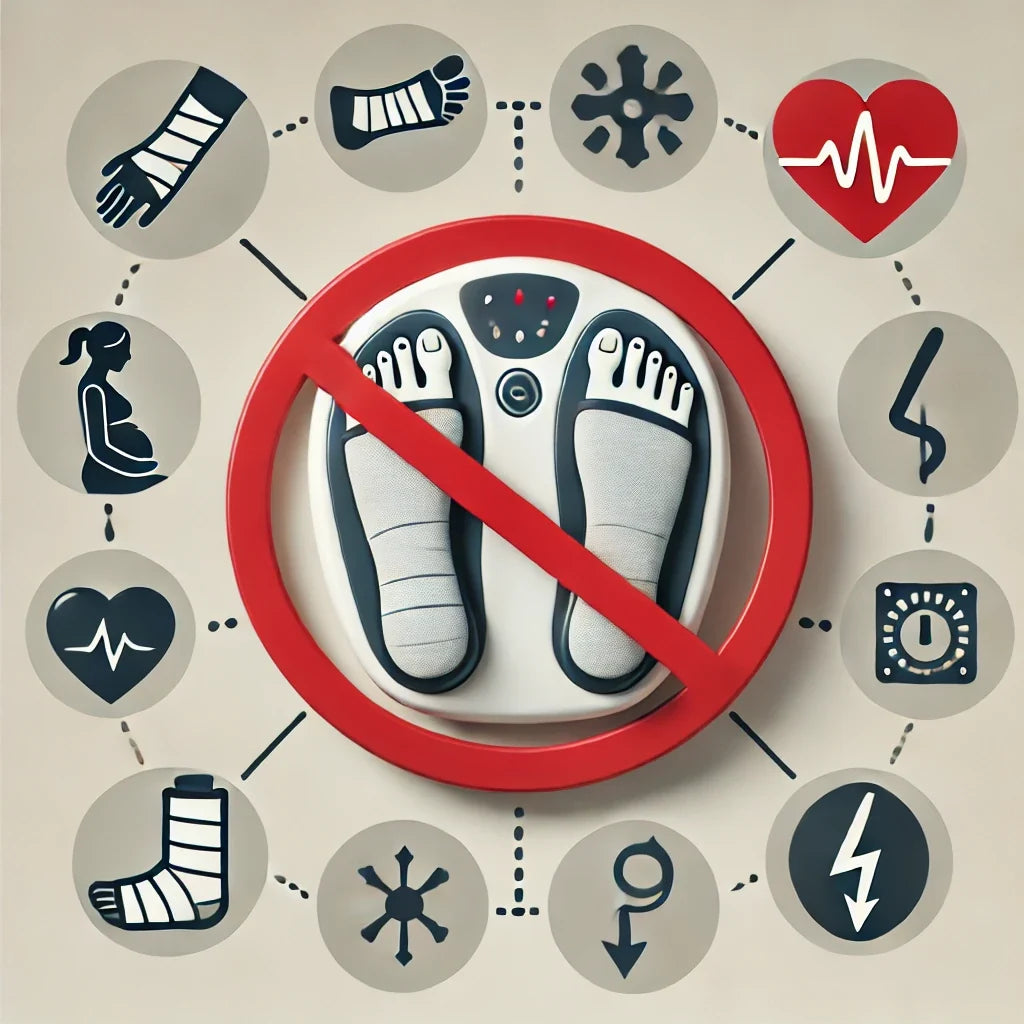
In some situations you should not use it, or should check with a doctor first:
If you have open wounds or skin irritation
If you have open wounds, cracks or skin irritation on your feet, do not use the massager, because the massage irritates the skin further.
If you have certain medical conditions
If you have diabetes, varicose veins or deep vein thrombosis, check with your doctor before using it. With diabetes, keep the heat off, because too much heat often goes unnoticed when sensation in the feet is reduced. Only use an EMS device with diabetes if your doctor has expressly approved it. More on this in Are foot massagers suitable for diabetics?.
With a pacemaker
With a pacemaker or another implant, the manufacturer’s instructions for your device apply. Check with your doctor first; many manufacturers rule out use. EMS devices are not an option with a pacemaker. Further cases are covered in When are foot massagers not allowed?.
During pregnancy
During pregnancy, only use a foot massager after speaking to your doctor.
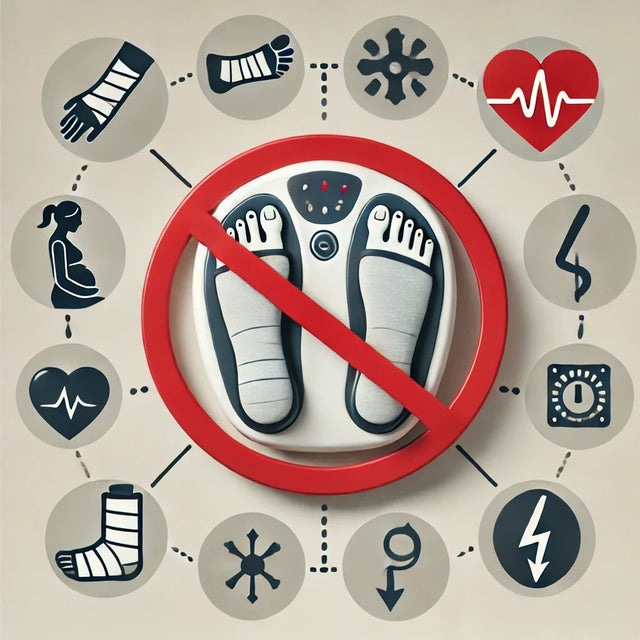 Kiedy nie wolno używać urządzeń do masażu stóp?
- Is an EMS foot massager dangerous?
 Urządzenie do masażu stóp EMS: działanie, skutki uboczne i czas trwania
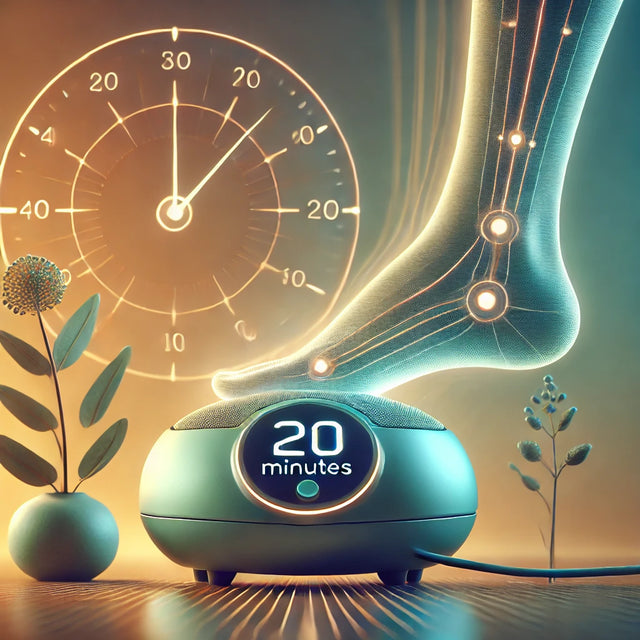 Jak długo i jak często można korzystać z urządzenia do masażu stóp?
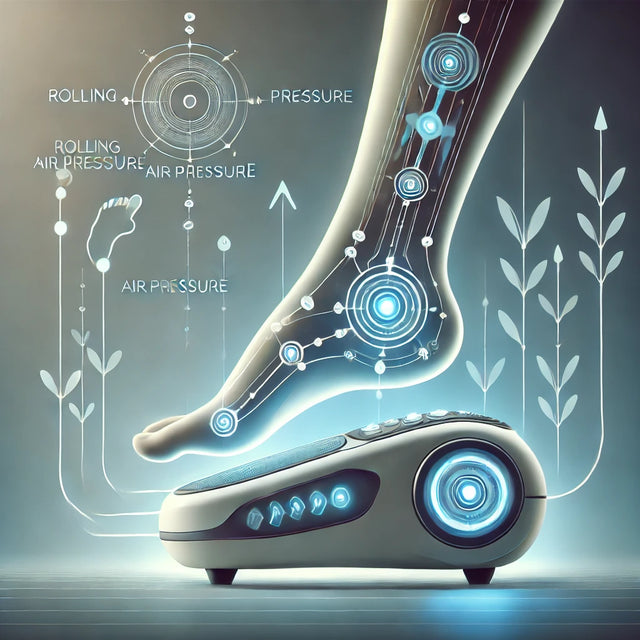 How does a foot massager work?
 Kiedy nie należy korzystać z urządzenia do masażu stóp?

Conclusion
A foot massager can be a nice addition to your daily relaxation. Many people find it soothing after a long day. Start low, stick to 15 to 20 minutes as a guideline and follow the instruction manual, and you’ll get the most out of your device. Caution is advised with certain medical conditions.
FAQs
1. How often should I use a foot massager?
Daily is fine for most people. As a guideline, 15 to 20 minutes per session; the instruction manual and automatic shut-off take priority.
2. Can a foot massager help with plantar fasciitis?
A foot massager cannot treat plantar fasciitis. Some people find a gentle massage of the sole pleasant. Whether and how you can massage is best checked with a doctor or physiotherapist.
3. Is it safe to use a foot massager during pregnancy?
During pregnancy, only use a foot massager after speaking to your doctor.
4. Can I use the foot massager on other parts of the body?
This is not recommended, as it is designed specifically for the feet.
5. Which is better: an electric or a manual foot massager?
That depends on your preferences. Electric devices often offer more functions and are more convenient, while manual devices are simpler and more affordable.
Foot massage is also available on a larger scale: many NAIPO massage chairs massage the feet at the same time using their own rollers. Find out more in our guide to massage chairs with foot reflexology.
If you want to compare models: the overview of all NAIPO foot massagers shows the features and the current price of each model at a glance.
You might also find these useful: How good are foot massagers? and How does a foot massager work?. For what to bear in mind if you have nerve-related foot problems, see the guide Foot massagers for neuropathy.
Najczęściej zadawane pytania
- Kiedy nie wolno używać urządzeń do masażu stóp?
- Is an EMS foot massager dangerous?
- Urządzenie do masażu stóp EMS: działanie, skutki uboczne i czas trwania
- Jak długo i jak często można korzystać z urządzenia do masażu stóp?
- How does a foot massager work?
- Kiedy nie należy korzystać z urządzenia do masażu stóp?

Autor: Redakcja NAIPO · Eksperci od masażu i produktów z Hamburgu
Eksperci ds. produktów, technicy serwisowi i miłośnicy masażu z firmy Alsterwell GmbH — od ponad dekady specjalizującej się w technice masażu, posiadającej własny warsztat oraz salony wystawowe, w których można wypróbować fotele.
Redakcja NAIPO · Źródła zweryfikowane


Zostaw komentarz
Ta strona jest chroniona przez hCaptcha i obowiązują na niej Polityka prywatności i Warunki korzystania z usługi serwisu hCaptcha.